Understanding the Challenges Nursing Students Face During Exam Preparation
Preparing for nursing exams can be one of the most demanding experiences in a healthcare student’s academic journey. Nursing programs require students to master a large volume of medical knowledge while simultaneously developing clinical judgment, patient care skills, and critical thinking abilities. Because of this combination of academic and practical learning, exam preparation often becomes stressful and overwhelming for many nursing students.
Unlike many traditional academic programs, nursing education requires students to balance multiple responsibilities at the same time. Clinical rotations, classroom lectures, assignments, and personal obligations all compete for attention. As exams approach, students must review large amounts of material ranging from pharmacology and patient assessment to complex disease processes and nursing interventions.
Understanding the common challenges faced during exam preparation can help students develop better study strategies and reduce unnecessary stress. Many nursing students experience similar obstacles, but recognizing these difficulties early makes it easier to overcome them.
Large Volume of Medical Content
One of the most common difficulties nursing students face during exam preparation is the sheer amount of information they must learn. Nursing courses often cover complex topics including anatomy, physiology, pharmacology, and patient care protocols. Each subject contains detailed concepts that must be understood rather than memorized.
For example, students are expected to recognize disease symptoms, understand treatment plans, identify medication interactions, and determine appropriate nursing interventions. This level of knowledge requires continuous review and repeated practice.
Many students find it helpful to reinforce their learning by practicing realistic exam scenarios. Reviewing structured Nursing Practice Exams with Detailed Answers can help students become familiar with the types of clinical questions used during nursing certification and academic tests.
Balancing Clinical Rotations and Study Time
Another major challenge nursing students face is managing their time effectively. Clinical rotations require students to spend long hours in hospitals or healthcare facilities gaining hands-on experience. While these experiences are essential for developing patient care skills, they also reduce the amount of time available for studying.
Many students return home from clinical rotations physically and mentally exhausted, making it difficult to focus on exam preparation. Maintaining a structured study schedule can help students balance clinical responsibilities with academic learning.
Understanding Complex Clinical Scenarios
Nursing exams rarely focus only on memorization. Instead, they often present detailed patient scenarios that require critical thinking and decision-making. Students must analyze patient symptoms, interpret vital signs, evaluate treatment options, and determine the safest nursing intervention.
This type of problem-solving requires a deep understanding of patient care rather than simple recall of facts. Many students struggle with these scenario-based questions because they require applying knowledge in realistic healthcare situations.
Recognizing these early challenges allows nursing students to develop better study habits and approach exam preparation with greater confidence.
Mental Fatigue and Stress During Nursing Exam Preparation
One of the most common struggles nursing students face during exam preparation is mental fatigue. Nursing education requires long study hours, clinical rotations, assignments, and practical skill development. When exams approach, students often increase their study intensity, which can quickly lead to exhaustion and decreased concentration.
Mental fatigue can make it difficult to retain important concepts, especially when reviewing complex subjects such as pharmacology, patient assessment, or disease management. Students may spend hours reading textbooks but still struggle to remember key details during the exam. This challenge highlights the importance of structured study sessions and effective revision techniques.
Difficulty Applying Theoretical Knowledge to Patient Scenarios
Another difficulty many nursing students encounter is translating theoretical knowledge into real clinical decision-making. Nursing exams often present patient scenarios that require students to analyze symptoms, identify potential complications, and select the safest nursing intervention.
For example, a question may describe a patient experiencing sudden changes in vital signs or symptoms of respiratory distress. Students must evaluate the situation, prioritize patient safety, and determine the appropriate nursing response. This process requires strong critical thinking skills rather than simple memorization of textbook definitions.
One effective way to strengthen clinical reasoning is by practicing scenario-based questions. Reviewing structured Fundamentals of Nursing Preparation Sets helps students become familiar with real exam formats while developing the analytical skills needed for nursing assessments.
Poor Time Management Before Exams
Time management is another challenge that frequently affects nursing students during exam preparation. Because nursing programs cover multiple subjects simultaneously, students often struggle to divide their time effectively between topics.
Many students attempt to review all course material in the final days before the exam. This approach can create unnecessary stress and often leads to information overload. Instead of improving learning, last-minute cramming usually reduces comprehension and memory retention.
Creating a clear study schedule can significantly improve preparation. Dividing study sessions into focused topics such as infection control, pharmacology, or patient care procedures allows students to absorb information more effectively.
Difficulty Remembering Key Nursing Procedures
Nursing students are expected to remember a wide range of procedures and care protocols. These may include medication administration guidelines, patient safety interventions, infection control techniques, and communication practices with patients and healthcare teams.
Because these procedures are detailed and interconnected, students may struggle to remember them under exam pressure. This is especially true when exam questions require students to identify the correct order of nursing interventions.
Pressure to Achieve High Academic Performance
Nursing education carries a strong sense of responsibility because students know that their future careers depend on their academic success. Many students place high expectations on themselves to achieve excellent exam results, which can create additional pressure during preparation.
While motivation can be beneficial, excessive pressure sometimes leads to anxiety and reduced confidence. Students may begin to doubt their abilities even when they have studied thoroughly.
Recognizing that these feelings are common among nursing students can help reduce stress and encourage a more balanced approach to exam preparation.
By identifying these challenges early, nursing students can adjust their study strategies and improve both confidence and performance during exam preparation.
Effective Strategies to Overcome Nursing Exam Preparation Challenges
Although nursing students face many challenges during exam preparation, the right study strategies can make a significant difference. Developing consistent study habits, practicing clinical reasoning questions, and maintaining a balanced routine can help students manage their workload more effectively. When students approach exam preparation with a structured plan, the process becomes less stressful and far more productive.
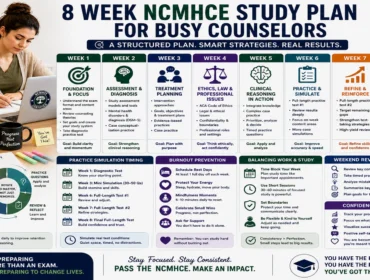
Create a Structured Study Plan
One of the most effective ways to prepare for nursing exams is to create a structured study schedule. Instead of studying randomly, successful nursing students often divide their study sessions into specific topics such as patient assessment, pharmacology, infection control, and disease management.
A well-organized study plan allows students to focus on one subject at a time and review material more thoroughly. Studying smaller sections consistently over several days helps improve long-term retention compared to attempting to review large amounts of material all at once.
Practice Clinical Scenario Questions Regularly
Nursing exams frequently include patient scenarios that require critical thinking and clinical judgment. Practicing these types of questions helps students become comfortable analyzing symptoms, prioritizing patient needs, and selecting appropriate nursing interventions.
Many students strengthen their preparation by reviewing structured Nursing Test Prep Resources that simulate real exam questions. These practice scenarios help students understand how theoretical knowledge is applied in realistic patient care situations.
Use Active Learning Techniques
Passive reading alone is often not enough for effective exam preparation. Active learning techniques such as summarizing notes, creating flashcards, and teaching concepts to classmates can significantly improve understanding and memory retention.
Many nursing students also find it helpful to practice explaining patient care procedures out loud. This approach reinforces understanding and prepares students for scenario-based questions that require reasoning rather than memorization.
Study in Collaborative Groups
Group study sessions can be extremely valuable for nursing students. Working with classmates allows students to discuss difficult topics, share study techniques, and practice analyzing clinical scenarios together.
Collaborative learning also helps students view patient care situations from different perspectives, which strengthens critical thinking skills required for nursing exams.
Maintain Physical and Mental Well-Being
Maintaining health during exam preparation is essential for academic success. Long study hours without adequate rest can lead to fatigue and reduced concentration. Nursing students should prioritize sleep, maintain a balanced diet, and incorporate short breaks into their study sessions.
Even simple activities such as walking, stretching, or spending time outdoors can improve focus and reduce stress during intense exam preparation periods.
Build Confidence Through Consistent Practice
Confidence plays a major role in exam performance. Students who regularly practice clinical questions and review nursing concepts tend to approach exams with greater confidence and clarity. Over time, consistent preparation helps students recognize question patterns and apply their knowledge more effectively.
When nursing students combine structured study plans, realistic practice questions, and healthy routines, exam preparation becomes more manageable and far less overwhelming.
Although nursing exam preparation presents many challenges, disciplined study habits and continuous practice can help students overcome these difficulties and succeed in their academic and professional nursing journey.