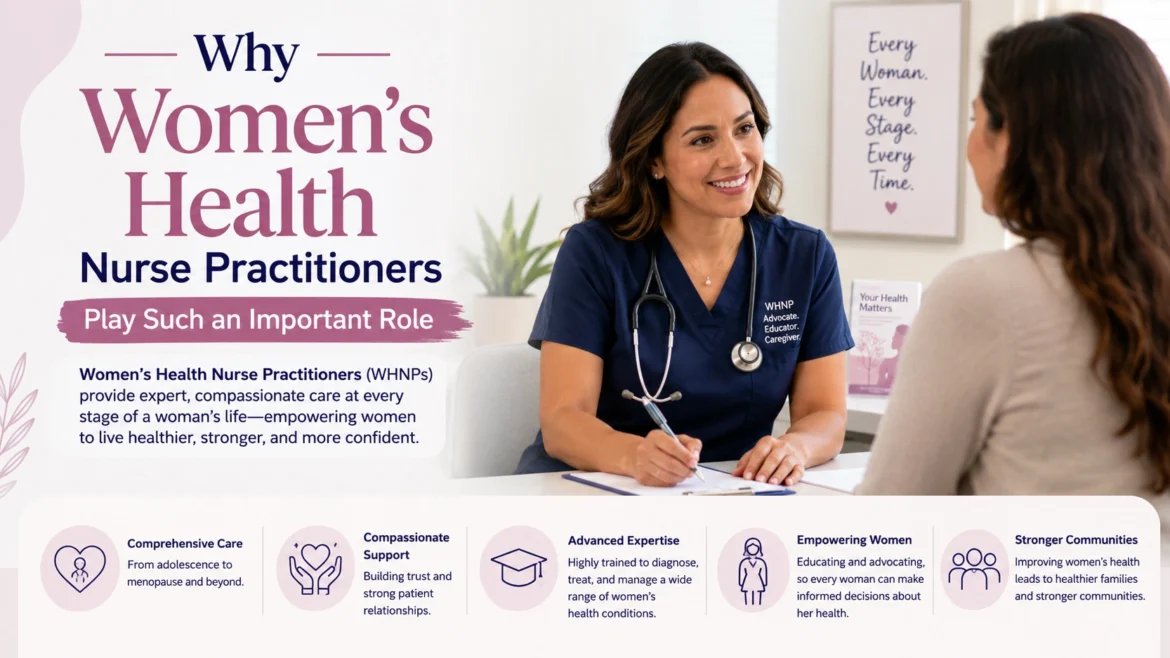

Experiences like this are one reason Women’s Health Nurse Practitioners (WHNPs) play such an important role in modern healthcare.
Women’s healthcare often involves much more than short appointments or isolated medical concerns.
WHNPs frequently support long-term patient relationships involving education, preventive care, communication, wellness support, and ongoing healthcare guidance throughout different stages of life.
What WHNPs Commonly Support
- Preventive women’s healthcare
- Patient education and communication
- Reproductive and wellness discussions
- Maternal and prenatal support
- Routine health screenings
- Long-term women’s health management
Why Women’s Healthcare Requires Strong Communication
Many women’s health concerns involve sensitive conversations about symptoms, wellness, reproductive health, emotional concerns, or preventive healthcare decisions.
Because of this, communication becomes extremely important within women’s healthcare environments.
WHNPs often help patients:
- Understand healthcare information
- Feel comfortable asking questions
- Discuss concerns openly
- Understand preventive-care options
- Navigate long-term healthcare decisions
Strong communication helps patients feel more informed, respected, and supported throughout healthcare experiences.
Healthcare Reality:
Patients are often more likely to discuss health concerns openly when they feel listened to, respected, and supported during healthcare visits.
Why Preventive Care Matters So Much in Women’s Health
Preventive healthcare plays a major role in women’s wellness throughout different stages of life.
Preventive care may involve:
- Routine health screenings
- Patient education
- Wellness monitoring
- Health-risk discussions
- Long-term healthcare planning
WHNPs often help patients understand the importance of consistent healthcare monitoring and early attention to potential concerns.
| WHNP Responsibility | Why It Matters in Healthcare |
|---|---|
| Patient Education | Helps patients make informed healthcare decisions |
| Preventive Care | Supports earlier identification of healthcare concerns |
| Communication Support | Improves patient comfort and healthcare understanding |
| Long-Term Wellness Care | Supports ongoing women’s health management and monitoring |
Source: General women’s healthcare principles and advanced nursing practice responsibilities.
Why Women’s Health Often Requires Specialized Support
Women’s healthcare needs can change significantly across different life stages.
Patients may seek healthcare support involving:
- Preventive wellness care
- Reproductive health
- Prenatal care
- Hormonal health concerns
- Long-term wellness planning
WHNPs often help patients navigate these healthcare situations with education, communication, and patient-centered care approaches.
Why Trust Matters in Women’s Healthcare
Many women’s healthcare discussions involve personal or sensitive concerns.
Patients are often more comfortable discussing symptoms or questions when healthcare providers:
- Communicate respectfully
- Listen carefully
- Provide clear explanations
- Encourage patient questions
- Create supportive healthcare environments
Trust and communication often play a major role in helping patients stay engaged with long-term healthcare and preventive wellness.
Many students interested in advanced why-womens-health-nurse-practitioners-are-importantnursing careers improve confidence using realistic WHNP practice questions and women’s healthcare scenarios because exposure to patient-centered clinical situations helps women’s healthcare concepts feel more practical and professionally relevant.
Why Patient Education Is a Major Part of Women’s Healthcare
Women’s Health Nurse Practitioners often spend significant time helping patients understand healthcare information clearly.
Many patients have questions involving:
- Preventive wellness
- Screening recommendations
- Reproductive health
- Lifestyle-related health concerns
- Long-term healthcare planning
Clear education helps patients feel more informed and confident when making healthcare decisions.
Important Healthcare Perspective:
Patient education is often one of the most important parts of preventive healthcare because informed patients are more likely to stay engaged with long-term wellness and follow-up care.
Why Long-Term Relationships Matter in Women’s Healthcare
Many WHNPs care for patients across multiple stages of life rather than only during isolated healthcare visits.
This continuity may involve:
- Routine wellness appointments
- Preventive screenings
- Prenatal support
- Ongoing health monitoring
- Long-term healthcare discussions
Because women’s healthcare often involves ongoing wellness support, long-term provider relationships can help improve communication, trust, and patient comfort over time.
| Women’s Healthcare Focus | Why It Supports Better Patient Care |
|---|---|
| Preventive Care | Encourages earlier attention to healthcare concerns |
| Patient Communication | Improves understanding and healthcare comfort |
| Health Education | Supports informed healthcare decisions and wellness awareness |
| Long-Term Monitoring | Helps maintain ongoing women’s wellness support |
Source: General women’s healthcare principles and advanced nursing practice responsibilities.
Why Compassionate Communication Matters
Women’s healthcare sometimes involves emotional, stressful, or deeply personal situations.
Patients may feel anxious discussing:
- Symptoms or health concerns
- Pregnancy-related questions
- Preventive screening results
- Long-term health decisions
- Personal wellness concerns
Compassionate communication helps create healthcare environments where patients feel safer discussing important concerns honestly.
Healthcare Reality:
Patients often remember how healthcare providers communicated with them just as much as the medical care itself.
Why Women’s Health Requires Strong Clinical Judgment
WHNPs frequently evaluate patient concerns involving symptoms, preventive health risks, wellness patterns, and healthcare priorities.
Strong clinical thinking helps providers:
- Recognize potential concerns earlier
- Prioritize patient-care needs
- Communicate healthcare guidance clearly
- Support safer patient-care decisions
- Coordinate ongoing healthcare management
Women’s healthcare often requires balancing clinical knowledge with compassionate communication and patient-centered decision-making.
Why Preventive Healthcare Continues Growing in Importance
Modern healthcare systems increasingly emphasize preventive wellness, early intervention, and patient education.
Because of this, WHNPs continue playing important roles in:
- Routine health monitoring
- Patient wellness education
- Long-term healthcare planning
- Preventive screening support
- Women’s health advocacy
As healthcare systems focus more on prevention and long-term wellness, women’s healthcare professionals remain increasingly valuable throughout modern healthcare environments.
Why Women’s Healthcare Requires Patient-Centered Care
Every patient has different healthcare concerns, experiences, priorities, and comfort levels.
Women’s Health Nurse Practitioners often work closely with patients to create supportive healthcare environments that encourage open communication and individualized care.
Patient-centered care may involve:
- Listening carefully to patient concerns
- Respecting personal healthcare decisions
- Providing clear education and explanations
- Supporting preventive wellness goals
- Encouraging long-term healthcare engagement
Patients are often more likely to remain involved in preventive healthcare when they feel informed, respected, and supported throughout healthcare experiences.
Clinical Perspective:
Strong women’s healthcare often depends on trust, communication, patient education, and consistent long-term healthcare support rather than isolated short-term treatment alone.
Why Emotional Support Matters in Women’s Healthcare
Some healthcare conversations can feel emotionally difficult for patients, especially when concerns involve pregnancy, reproductive wellness, screenings, symptoms, or long-term health decisions.
WHNPs often help patients feel more comfortable by:
- Creating respectful healthcare environments
- Encouraging patient questions
- Explaining information clearly
- Reducing unnecessary fear or confusion
- Supporting patient understanding during stressful situations
Emotional support and professional communication often play an important role in helping patients feel more confident during healthcare experiences.
| WHNP Skill Area | Why It Helps Patients |
|---|---|
| Patient Communication | Improves healthcare understanding and patient comfort |
| Preventive Education | Supports informed wellness decisions and long-term healthcare engagement |
| Clinical Observation | Helps recognize patient concerns and healthcare priorities earlier |
| Long-Term Wellness Support | Encourages ongoing patient-care continuity and preventive healthcare participation |
Source: General women’s healthcare principles and advanced nursing practice responsibilities.
Why WHNP Careers Continue Growing
Healthcare systems increasingly emphasize preventive wellness, patient education, communication, and long-term healthcare management.
Because of this, WHNPs continue playing important roles in:
- Women’s preventive healthcare
- Patient education and advocacy
- Prenatal and wellness support
- Long-term healthcare coordination
- Patient-centered healthcare communication
As healthcare environments continue focusing more on prevention and patient engagement, women’s healthcare professionals remain increasingly valuable throughout healthcare systems.
Important Reminder:
Women’s healthcare often involves much more than treating symptoms alone. Communication, education, preventive wellness, and patient trust all play important roles in long-term healthcare outcomes.
Why Many Nurses Are Interested in WHNP Careers
Some nurses are drawn toward women’s healthcare because they enjoy:
- Patient education
- Long-term healthcare relationships
- Preventive wellness support
- Communication-focused care
- Patient advocacy and guidance
WHNP careers often appeal to nurses who value compassionate communication, healthcare education, and patient-centered clinical practice.
Final Thoughts
Women’s Health Nurse Practitioners play an important role because women’s healthcare often depends on preventive care, patient communication, education, wellness support, and long-term healthcare relationships.
WHNPs help patients navigate healthcare concerns through compassionate communication, clinical judgment, preventive wellness guidance, and supportive patient-centered care.
As healthcare systems continue emphasizing prevention, education, and long-term wellness management, women’s healthcare professionals remain increasingly important throughout modern healthcare environments.
For many patients, strong women’s healthcare involves more than clinical treatment alone — it also involves trust, communication, understanding, and ongoing support throughout different stages of life.