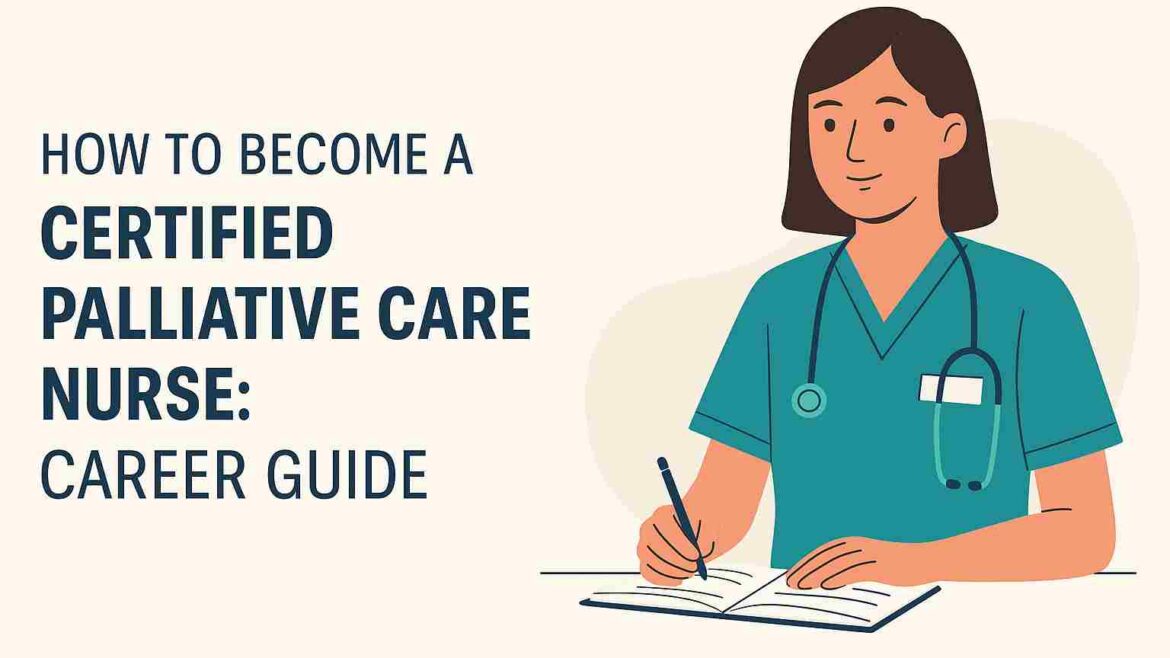

How to Become a Certified Palliative Care Nurse: Exam, Steps, and Career Guide
Becoming a certified palliative care nurse is more than just earning a credential—it’s about embracing one of the most compassionate and impactful roles in healthcare. Palliative care nurses are the bridge between clinical expertise and human empathy, guiding patients and families through some of life’s most vulnerable stages.
If you are considering this career path, preparing for the palliative care nursing certification exam is a crucial step. This guide provides everything you need to know: from exam prep strategies to career opportunities, cost insights, and challenges you may encounter along the way.
What Does a Palliative Care Nurse Do?
Palliative care nurses specialize in improving quality of life for patients facing serious, chronic, or terminal illnesses. Their work is rooted in comfort, dignity, and holistic support rather than cure-focused treatment.
Core Responsibilities
- Symptom Management: Administering medications for pain, nausea, shortness of breath, and anxiety.
- Communication: Guiding difficult conversations about prognosis, advance directives, and treatment options.
- Emotional and Spiritual Support: Helping patients and families cope with fear, uncertainty, and grief.
- Advocacy: Ensuring patient wishes are respected across the care team.
- Interdisciplinary Collaboration: Working alongside doctors, social workers, chaplains, and therapists.
Why It Matters
Unlike acute care nursing, where the focus is often on recovery, palliative care nursing emphasizes comfort, peace, and dignity. Nurses in this field become trusted companions, not just clinicians, helping patients live meaningfully even in the face of life-limiting illness.
Education and Certification Requirements
Becoming a certified palliative care nurse requires a structured pathway:
- Obtain a Nursing Degree
- ADN (Associate Degree in Nursing) or BSN (Bachelor of Science in Nursing).
- BSN is increasingly preferred for advanced opportunities.
- Pass the NCLEX-RN Exam
- This licenses you as a Registered Nurse (RN).
- Gain Clinical Experience
- Most certification boards require 1–2 years of RN experience.
- Ideally, this should include exposure to oncology, geriatrics, or hospice settings.
- Specialized Certification
- The CHPN (Certified Hospice and Palliative Nurse) exam is the most recognized credential.
- Offered by the Hospice and Palliative Credentialing Center (HPCC).
- Maintain Certification
- Renewal typically requires continuing education credits and professional practice hours.
Why Passing the Palliative Care Nursing Exam Matters
The palliative care nursing exam evaluates a nurse’s ability to provide holistic and evidence-based care for patients dealing with serious illnesses such as cancer, advanced heart failure, COPD, dementia, and other progressive diseases. Passing this exam not only validates your clinical knowledge but also demonstrates your emotional readiness to care for patients and families during sensitive times.
Employers highly value certified nurses because they bring credibility, confidence, and specialized expertise. Additionally, certified palliative care nurses often qualify for higher salaries, leadership opportunities, and expanded career roles such as palliative care nurse practitioner or hospice care coordinator.
How to Prepare for the Palliative Care Nursing Exam
Preparation is the key to passing any nursing certification exam. Here are steps to maximize your study efforts:
- Understand the Exam Blueprint
Review the official content outline provided by your nursing board or certification body. Most exams cover domains such as pain management, symptom control, psychosocial care, ethical and legal issues, and interdisciplinary collaboration. - Use Updated Study Materials
Rely on textbooks, evidence-based clinical guidelines, and review manuals specifically designed for palliative care nursing. Avoid outdated resources. - Practice with Exam-Style Questions
Simulated test questions train your brain to think critically under time pressure. They also help identify knowledge gaps. here is the best source for Palliative Care Nursing prep with questions and detailed answer solution. - Focus on Real-World Scenarios
Palliative care exams often present case studies where you must apply clinical reasoning and empathy, not just textbook knowledge. - Create a Study Schedule
Dedicate consistent daily or weekly blocks to study. Break down topics into manageable sections such as pain assessment, pharmacology, communication, and cultural sensitivity. - Join Study Groups or Online Forums
Peer learning can be motivating and offers exposure to diverse clinical experiences. - Take Care of Yourself
Since palliative care involves emotional resilience, ensure you balance your studies with rest, exercise, and stress-relief practices.
How Much Does Palliative Care Cost Per Day?
Palliative care costs vary depending on the setting, region, and services provided. On average, daily expenses for palliative care can range between $150 to $500 per day when delivered at home and up to $1,000 or more per day in hospital-based programs.
Factors Influencing Cost
- Type of Facility: Hospital-based palliative care often costs more than home-based care due to overhead, staffing, and equipment.
- Level of Care Needed: Patients requiring advanced symptom management, ventilator support, or 24-hour nursing supervision will face higher costs.
- Insurance Coverage: Medicare, Medicaid, and private insurance may cover some or all expenses, especially if care is linked to hospice eligibility.
- Geographic Location: Costs in urban centers or developed countries are typically higher compared to rural or less developed regions.
Why Cost Should Not Be a Barrier
One of the strengths of palliative care is its adaptability. Many organizations provide sliding scale fees, charitable assistance, or insurance partnerships to make services accessible. Unlike traditional acute care, the goal here is comfort, symptom relief, and emotional well-being rather than costly aggressive treatments.
For families, understanding costs upfront can reduce financial stress. Discussions with healthcare providers, insurance companies, or social workers can clarify payment options.
Will Hospice Pay for Nursing Home?
A common question among families is whether hospice care will pay for nursing home services. The answer is nuanced.
Hospice Coverage
- Medicare and Medicaid: In the United States, Medicare’s Hospice Benefit covers services such as nursing visits, medications related to the terminal illness, medical equipment (oxygen, hospital beds), and counseling. However, it does not cover room and board in a nursing home.
- Private Insurance: Some plans may offer partial coverage for nursing home expenses in addition to hospice services.
How It Works in Nursing Homes
When a patient resides in a nursing home, hospice providers collaborate with facility staff. Hospice nurses, social workers, and chaplains visit regularly to provide care. The nursing home charges for lodging, meals, and custodial care, while hospice covers medical care related to the terminal diagnosis. Families often must pay out-of-pocket for room and board unless they qualify for Medicaid or long-term care insurance.
Why Families Choose This Option
For many families, combining hospice with nursing home care offers peace of mind. It ensures that their loved one receives round-the-clock custodial care along with specialized end-of-life medical management.
What Does a Palliative Care Nurse Do?
A palliative care nurse plays a critical role in enhancing the quality of life for patients facing chronic or terminal illnesses. Their responsibilities extend beyond physical care to emotional, psychological, and spiritual support.
Key Duties
- Pain and Symptom Management: Administering medications, monitoring effectiveness, and adjusting care plans.
- Patient Advocacy: Ensuring patients’ preferences and advance directives are respected.
- Communication: Facilitating conversations between patients, families, and interdisciplinary teams.
- Emotional Support: Helping families cope with grief, fear, and decision-making.
- Coordination of Services: Collaborating with physicians, social workers, chaplains, and therapists.
Skills Required
- Clinical Expertise in pharmacology, symptom control, and holistic care.
- Empathy and Compassion to build trust with patients and families.
- Critical Thinking for quick decision-making in complex cases.
- Cultural Sensitivity to respect diverse backgrounds and beliefs.
A palliative nurse’s job is not just about managing disease but supporting dignity, comfort, and peace during life’s most vulnerable stage.
How Long Does Palliative Care Usually Last?
The duration of palliative care varies significantly based on the patient’s illness, prognosis, and individual needs. Unlike hospice care, which is typically for patients with six months or less to live, palliative care can begin at any stage of a serious illness and may last for years.
Average Duration
- Short-Term: Some patients may receive palliative care for just a few weeks following a serious diagnosis or during aggressive treatment.
- Long-Term: Others may benefit for months or even years, especially those with chronic conditions such as congestive heart failure or dementia.
Influencing Factors
- Disease Progression: Patients with rapidly advancing cancers may have shorter durations, while those with slower-progressing conditions like COPD may remain under palliative care for years.
- Treatment Goals: Some patients use palliative care alongside curative treatments, extending the duration.
- Family Support Systems: Strong family or community support may reduce dependence on professional palliative care, altering timelines.
Bottom Line
Palliative care is not a one-size-fits-all service. Its flexibility allows patients and families to access support as early or as late as needed.
How to Become a Palliative Care Nurse Practitioner
For nurses interested in advancing their career, becoming a palliative care nurse practitioner (NP) is a fulfilling path.
Educational Requirements
- Bachelor of Science in Nursing (BSN) – foundational degree to become a registered nurse.
- Registered Nurse (RN) License – passing the NCLEX exam.
- Master’s or Doctorate in Nursing Practice (MSN/DNP) – specializing in palliative or family care.
Certification
- Obtain certification through bodies like the Hospice and Palliative Credentialing Center (HPCC).
- Exams test advanced knowledge in symptom management, patient counseling, and interdisciplinary care.
Skills Needed
- Advanced Clinical Knowledge in pharmacology, geriatrics, and end-of-life care.
- Leadership to manage teams and guide patients’ treatment decisions.
- Research & Evidence-Based Practice for continuous improvement.
Career Opportunities
Palliative care NPs can work in hospitals, outpatient clinics, home health agencies, or hospice centers. They often enjoy higher pay, more autonomy, and greater job stability compared to RNs.
Why Choose Palliative Care Nursing?
Choosing palliative care nursing is more than a career decision—it’s a calling.
Rewards of the Role
- Deep Patient Connection: Nurses develop close relationships with patients and families.
- Making a Difference: Improving quality of life during difficult times is profoundly meaningful.
- Diverse Opportunities: From clinical work to teaching and research, the field is expanding.
Challenges
- Emotional Strain: Dealing with death and grief regularly requires resilience.
- Complex Cases: Balancing medical, ethical, and family concerns can be demanding.
Why Many Nurses Choose It
For nurses drawn to holistic, compassionate care, palliative nursing offers unmatched fulfillment. It combines science with empathy, making it ideal for those who value patient-centered practice.
Challenges in Palliative Care Nursing
While palliative care nursing is one of the most rewarding specialties in healthcare, it also comes with unique challenges that test both professional skills and emotional resilience. Understanding these obstacles helps nurses prepare better and develop coping strategies to sustain a long-term career in this field.
Emotional Demands
Perhaps the most significant challenge is the emotional weight of working with patients who are nearing the end of life. Nurses not only manage medical care but also witness grief, fear, and loss daily. This emotional exposure can lead to compassion fatigue or burnout if self-care and support systems are not prioritized.
Communication Barriers
Discussing sensitive topics like prognosis, advanced directives, or withdrawal of treatment requires exceptional communication skills. Families may be in denial or have conflicting opinions, making it difficult for nurses to navigate conversations while maintaining empathy and clarity.
Ethical Dilemmas
Palliative care nurses often face situations where medical interventions, cultural beliefs, and patient wishes do not align. Deciding whether to continue aggressive treatments or shift focus entirely to comfort care can create ethical tension. Nurses must balance respect for autonomy with clinical judgment.
Resource Limitations
In many healthcare settings, palliative care services are underfunded or understaffed. Nurses may struggle with limited access to pain medications, supportive equipment, or interdisciplinary specialists. This can hinder their ability to provide optimal care and increase stress levels.
Professional Boundaries
Because relationships with patients and families often become close, maintaining professional boundaries is challenging. Nurses must provide compassionate support without becoming overwhelmed by personal grief.
Bottom Line
Despite these challenges, many nurses choose palliative care because the rewards outweigh the difficulties. With strong teamwork, training, and resilience strategies, these challenges can be transformed into opportunities for growth and meaningful impact.
Final Tips for Passing the Palliative Care Nursing Exam
- Start Early – give yourself at least 2–3 months to prepare.
- Focus on Weak Areas – target topics like pain scales, opioid dosing, and ethical dilemmas.
- Simulate the Test – practice timed exams to build endurance.
- Use Trusted Resources – like this comprehensive practice exam with detailed solutions
Passing the exam opens doors to a meaningful career where you can truly change lives. With preparation, dedication, and compassion, you can succeed not only in the test but also in your professional journey as a palliative care nurse.
👉 As you are here, you may want to check out the following Nursing Study Exam Material:
NCC PMHNP (Psychiatric-Mental Health Nurse Practitioner) certification exam
Reproductive System Disorders NCLEX Practice Quiz Questions and Answers
Pneumonia NCLEX practice questions with answers
Conclusion
Becoming a certified palliative care nurse is not just about passing an exam—it’s about stepping into a role where compassion, skill, and humanity meet. This career allows you to support patients and families during their most vulnerable times, ensuring dignity and comfort remain central to care.
With preparation, resilience, and the right resources, you can pass your exam and embark on a career that truly changes lives.