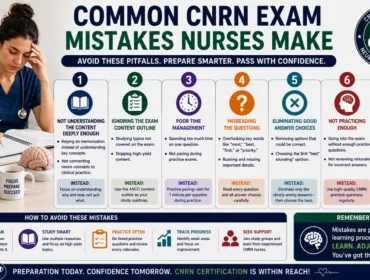

Tips to Pass the Canadian Medical-Surgical Nursing Examination
The Canadian Medical Surgical Nursing Examination is a crucial assessment tool designed to evaluate the clinical competence, decision-making ability, and foundational knowledge of nurses practicing in acute and long-term care settings across Canada. This exam is commonly taken by nurses pursuing specialty certification or professional advancement within medical-surgical nursing roles.
Purpose and Importance
This CMSN Prep helps ensure that nurses meet national standards for delivering safe, effective, and patient-centered care. It measures their ability to assess patients, formulate nursing diagnoses, implement care plans, and evaluate outcomes in various medical and surgical contexts. Success in this exam reflects a nurse’s readiness to manage complex health conditions and respond to rapidly changing clinical situations.
Content Areas Covered
The examination covers a wide range of topics, including cardiovascular, respiratory, gastrointestinal, neurological, musculoskeletal, renal, endocrine, and immune system disorders. It also tests knowledge in pharmacology, perioperative care, wound management, fluid and electrolyte balance, infection control, and patient education.
Who Should Take
The exam is ideal for registered nurses seeking to validate their expertise in medical-surgical nursing and advance their careers in hospital or community health settings.
Preparing for the Canadian Medical-Surgical Nursing Examination can feel overwhelming because of the broad range of content it covers. The good news? With the right approach, structure, and mindset, you can turn this challenge into a manageable—and even rewarding—experience. Below are custom study strategies and exam tips designed to help you succeed.
- Start with a Clear Study Plan
Don’t jump into random reading or endless question drilling. Begin by creating a structured timetable that divides your preparation into smaller sections. Dedicate specific days to key areas such as cardiovascular, respiratory, neurology, endocrine, and pharmacology. Having a schedule ensures you cover all domains instead of over-focusing on just the ones you’re most comfortable with.
Pro tip: Set weekly goals and track them in a notebook or digital planner. Checking off topics as you master them builds confidence.
- Practice Like It’s the Real Exam
The exam isn’t just about knowledge—it’s about stamina, focus, and pacing. Make practice sessions as close as possible to the real test by:
- Timing yourself for each block of questions.
- Minimizing distractions (no phone, no background noise).
- Sitting for the full duration without frequent breaks.
This trains your brain to stay sharp under real exam conditions and helps prevent fatigue.
- Review, Don’t Just Memorize
Memorization alone won’t carry you through. Medical-surgical nursing questions often test critical thinking and application. Instead of just reading notes, ask yourself:
- Why is this intervention the best option?
- What happens if the condition is left untreated?
- How would this patient’s case differ from another with similar symptoms?
By thinking in scenarios, you strengthen your ability to answer case-based questions with accuracy.
- Focus on Weak Spots Early
Every student has strengths and weaknesses. Maybe you’re confident with cardiovascular care but struggle with fluid and electrolyte balance. Identify those weaker areas as early as possible and give them extra attention.
A smart approach is to:
- Dedicate short, daily review sessions to weak topics.
- Use flashcards or quick notes for rapid recall.
- Revisit the same topics multiple times until you notice improvement.
- Use Active Recall & Teaching Techniques
One of the most powerful study methods is teaching what you’ve learned. Pretend you’re explaining the concept to a new nursing student. If you can break down a complicated process (like acid-base balance or diabetes management) in simple words, you’ve mastered it.
Combine this with active recall: close your book, ask yourself a question, and try to answer it from memory. This forces your brain to retrieve information and strengthens long-term retention.
- Build Exam-Day Confidence
Even the most prepared nurses struggle if anxiety takes over. Build confidence with these habits:
- Positive visualization: Picture yourself entering the exam room calm and prepared.
- Breathing exercises: Practice slow, deep breaths to calm your nerves before answering tricky questions.
- Healthy habits: Get consistent sleep, eat balanced meals, and stay hydrated. A clear mind performs better than an exhausted one.
- Learn the Art of Question Elimination
When you’re unsure, don’t panic. Use elimination strategies:
- Cross out options that are clearly unsafe or irrelevant.
- Look for answers that prioritize patient safety first.
- If two options look similar, re-read carefully for small but important differences in wording.
This increases your odds of choosing the correct answer, even when you’re uncertain.
- Create a Final Week Strategy
The last week before the exam is for consolidation, not cramming.
- Review summary notes or key charts daily.
- Focus only on high-yield areas you’ve already studied.
- Take at least two full-length mock exams to build confidence.
- Avoid overloading yourself with brand-new material.
Your goal is to walk into the exam feeling steady, not overwhelmed.
Conclusion
Success in the Canadian Medical-Surgical Nursing Examination comes down to three pillars: structured preparation, smart practice, and steady confidence. By sticking to a study plan, practicing with discipline, reviewing actively, and keeping your mindset calm, you’ll give yourself the best chance to pass on the first try.
Remember: this exam is not only about what you know—it’s about how effectively you apply nursing knowledge under pressure. Train both your mind and confidence, and you’ll be ready to succeed.
👉 As you are here, you may want to check out the following Nursing Study Exam Material:
Canadian Dietitian Registration Exam Questions
Canadian Gerontological Nursing Examination Practice Test
Sample Questions and Answers
Which of the following is the most common cause of chronic kidney disease in Canada?
A) Diabetes mellitus
B) Hypertension
C) Glomerulonephritis
D) Polycystic kidney disease
Answer: B) Hypertension
Explanation: Chronic kidney disease (CKD) is commonly caused by hypertension and diabetes. Among these, hypertension is the most prevalent cause in Canada, leading to damage to the renal blood vessels and gradual loss of kidney function.
A patient with chronic obstructive pulmonary disease (COPD) is at risk for which of the following complications?
A) Pneumonia
B) Asthma
C) Pulmonary embolism
D) Respiratory alkalosis
Answer: A) Pneumonia
Explanation: Patients with COPD are at a higher risk for respiratory infections, including pneumonia, due to their compromised lung function and impaired mucociliary clearance.
Which of the following is a key symptom of heart failure in a patient with reduced ejection fraction (HFrEF)?
A) Shortness of breath
B) Chest pain
C) Abdominal pain
D) Blurred vision
Answer: A) Shortness of breath
Explanation: Shortness of breath (dyspnea) is a hallmark symptom of heart failure with reduced ejection fraction (HFrEF), as the heart is unable to pump blood effectively, leading to fluid accumulation in the lungs.
Which of the following medications is used to treat hyperthyroidism?
A) Levothyroxine
B) Methimazole
C) Prednisone
D) Metformin
Answer: B) Methimazole
Explanation: Methimazole is an antithyroid medication used to reduce the production of thyroid hormones in patients with hyperthyroidism. Levothyroxine is used to treat hypothyroidism.
Which electrolyte imbalance is most commonly seen in patients with chronic renal failure?
A) Hypokalemia
B) Hyperkalemia
C) Hyponatremia
D) Hypocalcemia
Answer: B) Hyperkalemia
Explanation: In chronic renal failure, the kidneys are unable to excrete potassium effectively, leading to an elevated potassium level (hyperkalemia), which can be life-threatening.
A patient undergoing chemotherapy is at risk for which of the following complications?
A) Anemia
B) Dehydration
C) Hypertension
D) Hypoglycemia
Answer: A) Anemia
Explanation: Chemotherapy often affects the bone marrow, leading to decreased production of red blood cells, resulting in anemia. Anemia can cause fatigue, weakness, and decreased oxygen delivery to tissues.
Which of the following is a characteristic feature of Type 1 diabetes mellitus?
A) Insulin resistance
B) Autoimmune destruction of beta cells
C) Obesity
D) Increased insulin production
Answer: B) Autoimmune destruction of beta cells
Explanation: Type 1 diabetes is an autoimmune condition where the body’s immune system attacks and destroys the insulin-producing beta cells in the pancreas, leading to insulin deficiency.
Which of the following interventions should the nurse implement for a patient with acute pancreatitis?
A) Administer a high-protein diet
B) Maintain NPO (nothing by mouth) status
C) Encourage fluid intake
D) Encourage ambulation
Answer: B) Maintain NPO status
Explanation: In acute pancreatitis, the pancreas must rest. Therefore, patients are kept NPO to prevent stimulating pancreatic enzymes, which can worsen inflammation.
Which assessment finding would be most concerning in a patient who has undergone a total hip replacement (THR)?
A) Clear urine output
B) Pain at the surgical site
C) Shortness of breath and chest pain
D) Slight swelling at the incision site
Answer: C) Shortness of breath and chest pain
Explanation: Shortness of breath and chest pain may indicate a pulmonary embolism (PE), a serious complication of THR due to the risk of deep vein thrombosis (DVT) leading to embolism.
What is the most effective way to prevent deep vein thrombosis (DVT) in post-operative patients?
A) Use of a continuous passive motion machine
B) Frequent position changes and leg exercises
C) Administration of high-dose aspirin
D) Insertion of a central venous catheter
Answer: B) Frequent position changes and leg exercises
Explanation: Frequent position changes, leg exercises, and early ambulation are critical for reducing the risk of DVT in post-operative patients.
A patient with peptic ulcer disease (PUD) is prescribed proton pump inhibitors (PPIs). The nurse should educate the patient on the importance of:
A) Avoiding spicy foods
B) Taking the medication with food
C) Avoiding alcohol and tobacco use
D) Eating large meals throughout the day
Answer: C) Avoiding alcohol and tobacco use
Explanation: Alcohol and tobacco use exacerbate the symptoms of PUD and impair healing. PPIs help reduce gastric acid production, aiding in the healing of the ulcer.
Which of the following signs would be expected in a patient with a ruptured appendix?
A) Severe right lower quadrant pain
B) Tenderness in the left upper quadrant
C) Sudden relief of pain after vomiting
D) Severe epigastric pain radiating to the back
Answer: A) Severe right lower quadrant pain
Explanation: A ruptured appendix typically causes severe pain in the right lower quadrant (McBurney’s point), along with fever, nausea, and vomiting.
Which of the following is the primary cause of a myocardial infarction (MI)?
A) Dehydration
B) Thrombus formation in a coronary artery
C) Arrhythmia
D) Hypertension
Answer: B) Thrombus formation in a coronary artery
Explanation: A myocardial infarction occurs when a thrombus (blood clot) blocks a coronary artery, leading to reduced oxygen supply to the heart muscle and tissue death.
Which of the following is the most common cause of cerebrovascular accidents (CVAs) in Canada?
A) Hypertension
B) Atherosclerosis
C) Diabetes mellitus
D) Smoking
Answer: B) Atherosclerosis
Explanation: Atherosclerosis, a buildup of plaque in the arteries, is a major cause of stroke by obstructing blood flow to the brain.
What is the priority nursing intervention for a patient with a stroke who is experiencing dysphagia?
A) Initiating a feeding tube
B) Providing oral care every hour
C) Consulting a speech-language pathologist
D) Offering thin liquids
Answer: C) Consulting a speech-language pathologist
Explanation: Dysphagia (difficulty swallowing) is common in stroke patients. A speech-language pathologist is essential to assess swallowing function and recommend appropriate interventions.
In a patient with cirrhosis, which of the following is a common complication?
A) Hyperglycemia
B) Portal hypertension
C) Hypokalemia
D) Hyperthyroidism
Answer: B) Portal hypertension
Explanation: Cirrhosis can lead to portal hypertension, where increased pressure in the portal venous system occurs due to liver damage, potentially causing variceal bleeding.
Which of the following is a primary goal of treatment in managing patients with hypertension?
A) Increase fluid intake
B) Lower blood pressure to normal range
C) Increase sodium intake
D) Promote weight gain
Answer: B) Lower blood pressure to normal range
Explanation: The primary goal in hypertension management is to reduce blood pressure to prevent complications like stroke, heart attack, and kidney failure.
What is the most common side effect of opioid medications?
A) Nausea and vomiting
B) Tachycardia
C) Insomnia
D) Diarrhea
Answer: A) Nausea and vomiting
Explanation: Opioid medications often cause nausea and vomiting as a side effect due to their effects on the gastrointestinal system and central nervous system.
A patient is receiving IV fluids post-operatively. Which of the following would indicate a complication related to IV therapy?
A) Mild redness around the insertion site
B) A temperature of 37.5°C (99.5°F)
C) Swelling and tenderness around the IV site
D) Clear, colorless IV fluid
Answer: C) Swelling and tenderness around the IV site
Explanation: Swelling and tenderness around the IV site may indicate infiltration, phlebitis, or infection, requiring immediate attention.
Which of the following is the first-line treatment for type 2 diabetes mellitus?
A) Insulin therapy
B) Oral hypoglycemic agents
C) Corticosteroids
D) Weight loss surgery
Answer: B) Oral hypoglycemic agents
Explanation: Oral medications, such as metformin, are the first-line treatment for type 2 diabetes, as they help control blood sugar levels.
A nurse is caring for a patient with a large wound that is healing by secondary intention. Which of the following describes the wound healing process?
A) The wound edges are approximated.
B) Granulation tissue fills the wound bed.
C) A scar forms over the wound within days.
D) The wound heals without scarring.
Answer: B) Granulation tissue fills the wound bed.
Explanation: Wounds healing by secondary intention are typically large, irregular, and heal with the formation of granulation tissue, which eventually leads to scar tissue formation.
Which of the following should be included in a discharge plan for a patient undergoing a left mastectomy?
A) Encourage the patient to avoid physical activity
B) Teach the patient to monitor for signs of lymphedema
C) Instruct the patient to avoid sunlight exposure
D) Recommend a high-protein diet for the first week
Answer: B) Teach the patient to monitor for signs of lymphedema
Explanation: Patients who undergo mastectomy are at risk for lymphedema, so educating them on signs and prevention is important in the discharge planning process.
Which of the following is a common side effect of corticosteroid therapy?
A) Weight loss
B) Hypertension
C) Hypoglycemia
D) Insomnia
Answer: B) Hypertension
Explanation: Corticosteroids can cause fluid retention, leading to an increase in blood pressure and a risk for hypertension.
A nurse is caring for a patient receiving warfarin therapy. Which of the following laboratory tests is used to monitor the effectiveness of the medication?
A) Prothrombin time (PT)
B) Complete blood count (CBC)
C) Platelet count
D) International normalized ratio (INR)
Answer: D) International normalized ratio (INR)
Explanation: The INR is used to monitor the effectiveness of warfarin, as it standardizes prothrombin time across different laboratories.
What is the most appropriate nursing intervention for a patient experiencing an acute asthma attack?
A) Administer oxygen and bronchodilators
B) Offer a warm drink to help soothe the throat
C) Encourage the patient to rest in a supine position
D) Provide fluids to hydrate the patient
Answer: A) Administer oxygen and bronchodilators
Explanation: During an acute asthma attack, administering oxygen and bronchodilators such as albuterol is essential to relieve bronchoconstriction and improve oxygenation.
Which of the following is a clinical manifestation of hypothyroidism?
A) Increased appetite and weight loss
B) Cold intolerance and weight gain
C) Heat intolerance and weight loss
D) Tachycardia and palpitations
Answer: B) Cold intolerance and weight gain
Explanation: Hypothyroidism often results in slowed metabolism, leading to symptoms such as cold intolerance, weight gain, and fatigue.
Which of the following is the most appropriate nursing intervention for a patient experiencing a seizure?
A) Restrain the patient’s movements to prevent injury
B) Administer oral fluids to prevent dehydration
C) Maintain a clear airway and protect the patient from injury
D) Offer the patient a snack once the seizure subsides
Answer: C) Maintain a clear airway and protect the patient from injury
Explanation: The priority during a seizure is to ensure the patient’s airway is clear and protect them from harm by removing surrounding objects.
A patient with a history of alcohol use disorder is being discharged after treatment for pancreatitis. The nurse should emphasize the importance of:
A) Restricting fluid intake
B) Avoiding alcohol consumption
C) Taking pain medication as prescribed
D) Increasing caloric intake
Answer: B) Avoiding alcohol consumption
Explanation: Alcohol consumption is a major risk factor for pancreatitis, and the patient must be educated to avoid it to prevent future episodes.
What is the primary function of the kidneys in the body?
A) Regulating hormone production
B) Filtering blood and removing waste products
C) Producing red blood cells
D) Regulating blood pressure through vasodilation
Answer: B) Filtering blood and removing waste products
Explanation: The kidneys filter waste products from the blood, regulate fluid and electrolyte balance, and produce urine.
Which of the following is an early sign of hypoxia in a patient?
A) Tachypnea
B) Cyanosis
C) Decreased blood pressure
D) Hypotension
Answer: A) Tachypnea
Explanation: Tachypnea (increased respiratory rate) is often one of the first signs of hypoxia, as the body tries to compensate for decreased oxygen levels by increasing ventilation.
Ready to Test Your Knowledge?
If you’re preparing for the Canadian Medical-Surgical Nursing Examination, practicing with realistic questions is the best way to build confidence. Check out the Canadian Medical-Surgical Nursing Exam Practice Test on PrepPool to sharpen your skills and get exam-ready.