
Pass the California Notary Exam With Confidence
Becoming a California Notary Public opens doors to flexible income, professional credibility, and long-term career growth. But before you can start notarizing documents, you must pass one hurdle — the California Notary exam. Many candidates underestimate it and fail on the first attempt. With the right preparation and realistic practice strategy, passing becomes far more achievable.
Why Most Candidates Fail the California Notary Exam
The California Notary exam is designed to test real-world understanding of notary laws, procedures, and ethical responsibilities. It is not just about memorizing definitions. Many candidates assume reading the handbook once is enough. In reality, the exam focuses on application of rules in practical scenarios.
For example, one candidate in Los Angeles studied only the official handbook for two weeks. During the exam, scenario-based questions about journal entries and identification requirements confused him. He failed by just a few marks. After switching to realistic practice questions and timed mock exams, he retook the test and passed comfortably within a month.
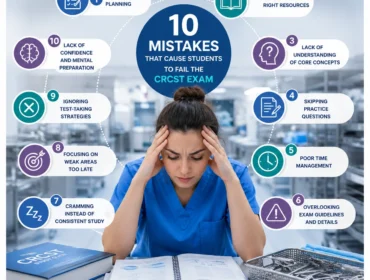
Common reasons candidates fail:
- Relying only on reading instead of practicing
- Not understanding tricky legal wording
- Poor time management during exam
- Skipping scenario-based questions
- Using outdated study materials
What Makes the California Notary Exam Challenging?
The exam includes multiple-choice questions covering identification requirements, notarization procedures, journal rules, penalties, and legal responsibilities. Many questions are written in a way that tests how you apply laws rather than simply recall them.
| Exam Area | Difficulty Level | Why It’s Tricky |
|---|---|---|
| Identification Rules | High | Small details change correct answers |
| Journal Entries | Medium | Multiple steps must be followed exactly |
| Notary Penalties | High | Questions test real scenarios |
| Oaths & Acknowledgments | Medium | Confusing legal wording |
Real Example: From Failure to Passing Score
Maria, a working professional from San Diego, failed her first attempt because she relied only on reading guides and watching YouTube videos. She realized the exam questions were more complex than expected. Instead of memorizing, she began practicing real exam-style questions daily for two weeks.
By simulating timed practice sessions and reviewing explanations carefully, Maria improved her accuracy and speed. On her second attempt, she passed with a strong score. Her biggest takeaway was simple: realistic practice makes the difference.
The Smart Preparation Strategy That Works in 2026
Preparing for the California Notary exam in 2026 requires a more strategic approach than ever before. Competition has increased, and exam questions are becoming more scenario-based. Successful candidates follow a three-step preparation method:
- Understand concepts clearly instead of memorizing blindly.
- Practice with real exam-style questions to build confidence.
- Take timed mock exams to improve speed and accuracy.
One of the most effective ways to build confidence is practicing with updated and realistic Notary questions bank materials that mirror actual exam difficulty. This allows you to identify weak areas early and improve before test day.
Visual: Preparation Timeline for First-Time Pass
| Week | Focus Area | Goal |
|---|---|---|
| Week 1 | Study laws & procedures | Build foundation |
| Week 2 | Practice daily questions | Improve accuracy |
| Week 3 | Timed mock exams | Boost speed |
| Week 4 | Revision & weak areas | Exam readiness |
Building Confidence Before Exam Day
Confidence plays a major role in exam performance. Candidates who practice regularly and review explanations develop stronger decision-making skills. Instead of second-guessing answers, they approach questions with clarity.
Remember, the California Notary exam is not designed to trick you — it is designed to ensure you understand your responsibilities as a notary public. When you prepare with realistic examples and consistent practice, passing on the first attempt becomes a realistic goal.
Step-by-Step Study Plan Used by Successful Candidates
Passing the California Notary exam isn’t about studying harder — it’s about studying smarter. Candidates who pass on their first attempt usually follow a structured plan rather than randomly reading materials. A clear study system helps you retain information, understand real scenarios, and build exam confidence.
The most successful test-takers treat preparation like a short professional training program. Instead of cramming everything into a few days, they spread learning across several weeks and focus heavily on practice. This balanced approach leads to higher scores and less stress on exam day.
Weekly Study Structure That Produces Real Results
| Day | Focus | Study Time | Goal |
|---|---|---|---|
| Monday | Notary laws & duties | 1–2 hours | Understand core rules |
| Tuesday | Identification requirements | 1 hour | Avoid common mistakes |
| Wednesday | Practice questions | 1–2 hours | Apply knowledge |
| Thursday | Journal & procedures | 1 hour | Memorize steps |
| Friday | Timed practice test | 1 hour | Improve speed |
Following a routine like this for three to four weeks builds strong familiarity with exam patterns. It also reduces last-minute stress because you gradually improve accuracy and timing.
Real Candidate Example: Busy Professional Passing First Attempt
Jason, a full-time office manager in Sacramento, wanted to become a notary to earn additional income. With a busy schedule, he had only one hour per day to study. Instead of trying to read everything at once, he focused on one topic daily and practiced realistic exam questions every evening.
After three weeks of consistent practice and two full mock exams, Jason noticed a major improvement in confidence. During the actual exam, many questions felt familiar because he had already practiced similar scenarios. He passed comfortably and received his commission within weeks.
Most Important Topics to Master for 2026 Exam
While the exam covers many areas, some topics appear more frequently than others. Focusing on these high-weight sections increases your chances of passing quickly.
- Acceptable identification documents
- Journal entry requirements
- Oaths and acknowledgments
- Notary misconduct penalties
- Document handling procedures
Why Practice Questions Matter More Than Reading Alone
Reading helps you understand the law, but practice helps you apply it. The California Notary exam tests how well you can make decisions in real situations. When you regularly solve practice questions, your brain learns to identify patterns and avoid traps in multiple-choice answers.
For instance, one exam question might present two identification options that both seem correct. Only candidates who have practiced enough scenarios will recognize the subtle difference required by California law. This level of understanding comes only through repeated testing and review.
Time Management Strategy During the Exam
Many candidates struggle not because they don’t know the answers, but because they run out of time. Managing your pace is essential. A smart approach is to answer easier questions first and mark difficult ones for review.
| Time Passed | What You Should Have Completed |
|---|---|
| 15 minutes | First easy section done |
| 30 minutes | Half exam completed |
| 45 minutes | All questions attempted |
| Final minutes | Review marked answers |
Confidence Building Before Test Day
Confidence grows when preparation becomes consistent. Candidates who complete multiple timed practice exams usually walk into the testing center feeling calm and ready. They already know the exam format, question style, and time pressure.
A simple but effective habit is reviewing incorrect answers carefully. Understanding why an answer was wrong helps prevent repeating the same mistake. Over time, this process sharpens decision-making and improves accuracy.
What to Expect on California Notary Exam Day
After weeks of preparation, exam day arrives. For many candidates, this is where nerves take over. However, understanding what to expect inside the testing center can make a huge difference. The California Notary exam is structured, predictable, and manageable if you walk in prepared.
Most candidates report that the actual exam feels easier than expected when they’ve practiced properly. Questions follow familiar patterns, and time is usually sufficient when you’ve completed multiple mock tests beforehand.
Real Outcome: First-Time Pass Success Story
Angela, a real estate assistant from Orange County, needed her notary commission to advance in her career. She initially felt overwhelmed by legal terminology and procedural rules. Instead of rushing into the exam, she spent four weeks practicing scenario-based questions and reviewing explanations.
Angela created a habit of taking one timed mock test every weekend. By the time exam day arrived, she had completed over ten full practice sessions. She walked into the testing center confident and finished with time to review her answers. A few weeks later, she received confirmation that she had passed on her first attempt.
Her biggest lesson was simple: consistent practice builds familiarity, and familiarity builds confidence. Many successful notaries share similar experiences when they follow a structured preparation plan.
Common Mistakes to Avoid in the Testing Center
Even well-prepared candidates sometimes make small errors during the exam. Avoiding these mistakes can protect your score and improve your chances of passing.
- Rushing through questions without reading carefully
- Changing correct answers due to self-doubt
- Spending too long on one difficult question
- Ignoring time management
- Not reviewing answers at the end
A smart approach is to move steadily through the exam and mark challenging questions for review. Often, returning later with a fresh perspective helps you choose the correct answer.
Exam-Day Time Management Chart
| Exam Stage | Recommended Action | Benefit |
|---|---|---|
| Start | Scan easy questions first | Build confidence quickly |
| Midway | Maintain steady pace | Avoid time pressure |
| Final Minutes | Review marked answers | Catch small errors |
How Practice Translates Into Real Exam Performance
One major difference between candidates who pass and those who fail is exam familiarity. When you’ve seen similar question patterns before, your brain processes them faster. Instead of overthinking, you quickly identify the correct option and move forward.
This confidence comes from practicing realistic scenarios rather than memorizing isolated facts. For example, understanding how to handle identification issues or incomplete documents becomes second nature when you’ve worked through multiple examples.
Confidence Checklist Before You Take the Exam
| Preparation Area | Ready? |
|---|---|
| Completed multiple practice tests | ✔ |
| Understand identification rules | ✔ |
| Know journal entry steps | ✔ |
| Practiced under timed conditions | ✔ |
| Reviewed weak areas | ✔ |
Your First Attempt Can Be Your Only Attempt
Passing the California Notary exam on your first try is completely achievable with the right preparation. Thousands of candidates succeed each year by following a structured study plan, practicing realistic questions, and building confidence through repetition.
The exam isn’t designed to be impossible — it’s designed to ensure you understand your role and responsibilities as a notary public. When you approach preparation seriously and use updated practice resources, you dramatically improve your chances of success.
Many new notaries look back after passing and realize that consistent practice was the turning point. Once you build familiarity with exam-style questions and real-world scenarios, the test becomes far less intimidating.
Final Motivation
Your notary commission can open doors to additional income, career growth, and professional credibility. With focused preparation and the right practice strategy, passing the California Notary exam on your first attempt is not just possible — it’s highly achievable.