Effective Tips on Preparing for Exam: Academic Success. Exams are a universal part of academic life, whether in high school, college, or professional certification. Preparing effectively is more than just memorizing information the night before—it is about developing consistent strategies that balance knowledge, mental health, and performance. In today’s fast-paced, technology-driven world, students need updated techniques that merge traditional wisdom with modern resources. This guide covers planning and strategy, study techniques, health and well-being, exam day preparation, and innovative 2025 approaches to ensure academic success.
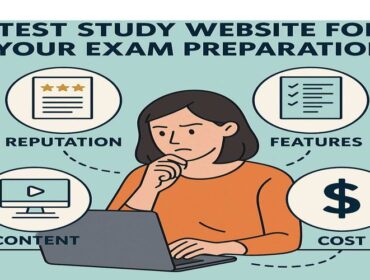
Preparing effectively for tests requires smart planning, consistent practice, and reliable resources. Platforms like Preppool’s Exam Preparation guides and practice tests can give students a real edge
Planning and Strategy: Building the Roadmap to Success
One of the most overlooked aspects of exam success is early and structured planning. Many students fall into the trap of last-minute cramming, which often leads to stress, poor retention, and inconsistent performance. Instead, a thoughtful strategy can transform preparation into a manageable and effective process.
Start by understanding the exam format and syllabus. Create a detailed breakdown of topics, giving weight to areas that carry more marks or historically have been emphasized. From there, design a study timetable that balances subjects while leaving room for revisions. Tools like digital calendars, planning apps, or even a physical planner can make this process more efficient. Allocating shorter, consistent sessions rather than marathon study days helps sustain concentration.
Goal-setting plays a key role in effective planning. Break larger goals (such as finishing a textbook) into smaller milestones (like completing a chapter each day). This creates momentum and a sense of achievement. Pair these milestones with self-testing checkpoints to evaluate progress and make adjustments.
Another strategic component is time management. Avoid dedicating excessive hours to strong areas while neglecting weaker ones. Instead, use the Pareto Principle (80/20 rule): focus more effort on the 20% of content that yields 80% of results. A balanced strategy not only reduces anxiety but also improves confidence and efficiency.
Lastly, ensure flexibility in your plan. Life can bring unexpected interruptions—illness, family responsibilities, or academic workload shifts. A flexible plan allows you to adapt without panic. Remember: planning is not about perfection but about direction and consistency.
Study Techniques: Smarter Learning for Deeper Retention
Effective exam preparation relies not only on what you study but also how you study. In the modern academic environment, traditional rote memorization is no longer enough. Smarter techniques that engage the brain and enhance recall are critical.
One of the most powerful tools is active recall. Instead of passively re-reading notes, test yourself frequently. Create flashcards, practice questions, or even teach concepts aloud as if you are explaining to a peer. Active recall strengthens neural pathways and improves long-term memory retention.
Spaced repetition is another proven method. Rather than reviewing material once or twice, space out revision over days or weeks using systems like Preppool.com. Revisiting content at increasing intervals prevents forgetting and reinforces knowledge. Combined with active recall, this technique maximizes efficiency.
Alongside active recall and spaced repetition, solving past papers and structured practice tests from trusted platforms such as Exam Preparation portals can dramatically improve results.
Mind mapping and visual learning are especially effective for complex topics. By organizing information into diagrams or charts, students can better understand connections between concepts. This technique is particularly useful in subjects like history, biology, or social sciences.
Another modern approach involves multisensory learning. Incorporating audio (listening to recorded lectures), visual aids (videos, infographics), and kinesthetic methods (hands-on practice, writing summaries) helps engage different parts of the brain. This variety reduces monotony and improves comprehension.
Practice under exam conditions is also essential. Solving past papers, taking mock tests, and timing yourself build familiarity with exam pressure. This improves both accuracy and speed while reducing stress on the actual day.
Finally, adapt your techniques to your personal learning style. Some thrive with group discussions, while others prefer solitary study. Experiment until you discover the methods that suit your brain best. Remember, effective studying is not about hours spent, but about the quality of engagement.
Health and Well-Being: The Foundation of Academic Performance
Academic success is impossible without prioritizing physical and mental well-being. Students often compromise health during exam season by neglecting sleep, skipping meals, or consuming excessive caffeine. While this may seem productive in the short term, it weakens concentration, memory, and overall performance.
Sleep is the most powerful yet underutilized tool in exam preparation. Research consistently shows that 7–9 hours of restful sleep is essential for memory consolidation and cognitive clarity. Late-night cramming may help you finish content, but it diminishes your brain’s ability to recall it the next day. Creating a consistent sleep routine, especially during exam week, is one of the smartest strategies you can adopt.
Nutrition is equally vital. Instead of surviving on junk food or sugary snacks, focus on brain-boosting meals rich in proteins, healthy fats, and complex carbohydrates. Foods like fish, nuts, eggs, and leafy greens enhance concentration and memory. Staying hydrated by drinking plenty of water prevents fatigue and headaches, while minimizing energy-draining drinks like sodas or excessive coffee.
Exercise is another underestimated factor. Even 20 minutes of daily physical activity—whether jogging, yoga, or stretching—boosts blood flow, reduces stress, and increases focus. Pairing light exercise with short breaks during study sessions helps maintain productivity and prevents burnout.
Mental health deserves equal attention. Exams can trigger anxiety, but techniques like mindfulness meditation, deep breathing, or journaling can reduce stress. Social support from family and friends also provides emotional balance. Remember, exams test your preparation, not your worth. Prioritizing self-care ensures you walk into the exam room with clarity and confidence.
Ultimately, strong academic performance is built on a healthy body and mind. Treat your health as an investment—it pays the greatest dividends on exam day.
Exam Day Preparation: Turning Practice into Performance
The culmination of weeks or months of preparation is the exam day itself. How you manage this critical day can determine whether you perform at your best or fall short despite hard work.
Start with a restful night’s sleep before the exam. Avoid the temptation to stay up cramming, as fatigue clouds thinking and slows recall. Instead, use the evening for light revision of key formulas or summaries, followed by relaxation.
On exam morning, eat a balanced breakfast that includes proteins and complex carbs to sustain energy levels. Avoid heavy or greasy foods that may cause discomfort. Hydrate well, but not excessively, to avoid distractions during the exam.
Arrive early to the venue to prevent unnecessary stress. Carry all required materials—pens, pencils, ID, water, and permitted calculators or reference sheets. Double-check the instructions from your institution well in advance.
Inside the exam hall, start by reading instructions carefully. Allocate time wisely based on the marks assigned to each section. A common mistake is spending too long on one tough question while leaving easy ones unanswered. Instead, prioritize and return to challenging problems later.
Stay calm during moments of difficulty. If your mind blanks, take a deep breath, jot down keywords, or skip temporarily to regain momentum. Maintain steady pacing and keep track of time.
Finally, after completing the paper, review your answers. Small corrections or catching overlooked mistakes can make a big difference. Treat exam day as an opportunity to showcase your preparation, not as a threat. Confidence and composure often separate top performers from average ones.
Modern 2025 Techniques: Blending Tradition with Technology
Exams in 2025 require a mix of traditional strategies and modern innovations. The academic landscape has evolved with technology, making preparation more dynamic and personalized than ever before.
Digital platforms such as AI-powered learning apps, adaptive quizzes, and virtual study groups allow students to customize their preparation. These platforms track progress, highlight weak areas, and adjust difficulty levels, ensuring efficient learning. Tools like ChatGPT-based tutors, Duolingo-style revision apps, and AI flashcards are becoming staples of exam preparation.
Online communities and collaborative tools also expand learning opportunities. Virtual study groups allow students worldwide to share resources, clarify doubts, and motivate each other. This collaborative learning mirrors real-world problem-solving and makes studying more engaging.
Gamification is another trend shaping exam preparation. Apps that turn learning into point-based games or challenges boost motivation. Students stay consistent when preparation feels rewarding and interactive rather than monotonous.
Moreover, modern students are harnessing data analytics to monitor performance. By analyzing mock test scores, time spent per question, or common error patterns, learners can refine strategies with precision. This mirrors professional exam prep for certifications like GRE, GMAT, or CFA.
Despite technology’s benefits, moderation is key. Overreliance on gadgets can distract or overwhelm. The best approach is a hybrid method: combine traditional note-taking and self-discipline with digital enhancements for a balanced strategy.
In 2025 and beyond, successful exam preparation means embracing both the wisdom of time-tested methods and the innovations of modern technology. Students who adapt to this blended approach will have a clear edge in academic success.
Time Management Skills for Exam Success
Time management is one of the most critical factors that separates high-performing students from average ones. In fact, search trends show that “time management for exams” is one of the most common queries from students across all levels. Properly managing your time ensures that every subject and topic gets attention without overwhelming you in the final days before the test.
The foundation of good time management begins with setting priorities. Use the Eisenhower Matrix—categorizing tasks into urgent, important, or optional—to decide which topics require the most immediate attention. For example, if your math exam is in three days, but you’ve already mastered history, you’ll know where to focus.
Next, adopt practical study systems like the Pomodoro Technique, which involves 25–30 minutes of focused work followed by a 5-minute break. This method prevents burnout while boosting concentration. Another effective approach is time-blocking, where you allocate fixed chunks of the day for specific subjects. Morning hours are often best for demanding subjects, while evenings can be reserved for lighter revisions.
Equally important is building buffer time into your schedule. Life rarely goes exactly as planned—assigning 10–15% of your daily study hours to review or catch-up prevents last-minute stress.
Finally, always pair time management with self-discipline. Use apps like Notion, Trello, or Google Calendar to track deadlines and stay accountable. Over time, mastering time management not only helps you prepare for exams but also builds a lifelong skill beneficial in your career and personal life.
Overcoming Procrastination and Staying Motivated
Every student has faced procrastination—the silent enemy of productivity. Whether it’s scrolling endlessly through social media, binge-watching shows, or postponing revision “just for tomorrow,” procrastination can derail even the best exam strategy. Learning to overcome it is essential for academic success.
First, recognize why procrastination happens. Often it’s not laziness but fear—fear of failure, fear of the workload, or simply not knowing where to begin. Breaking tasks into smaller, achievable goals is the best antidote. Instead of saying, “I will study the entire biology syllabus today,” start with, “I will complete one chapter in the next two hours.” Small wins create momentum.
Motivation is the second piece of the puzzle. One effective method is the reward system—treat yourself after reaching a study goal, whether it’s a short break, a snack, or time on social media. Another strategy is accountability partners: study with a friend or report progress to someone you trust. Knowing someone else is tracking your consistency keeps procrastination at bay.
Visualization is another powerful tool. Imagine walking confidently into the exam hall and writing answers with ease. This mental rehearsal reduces anxiety and strengthens commitment. Pair this with affirmations like, “I am capable of preparing well and succeeding.”
If digital distractions are a problem, use focus apps such as Forest, Freedom, or Cold Turkey, which block access to distracting sites. Designating a clutter-free study space also signals your brain that it’s “study time.”
Ultimately, procrastination can’t be eliminated overnight, but with conscious effort and consistency, it can be controlled. By combining clear goals, motivation, and accountability, students can turn wasted hours into productive study sessions.
Conclusion: The Journey to Academic Success
Preparing for exams is more than a race against the clock—it’s a journey of discipline, balance, and growth. By combining planning and strategy, effective study techniques, health and well-being, smart exam-day preparation, and modern 2025 innovations, students can achieve not only better grades but also personal confidence and lifelong learning skills.
Exams are temporary, but the habits you build through preparation stay with you forever. Start early, stay consistent, care for your body and mind, and embrace modern tools wisely. Academic success is not about luck—it’s about preparation meeting opportunity.
By combining discipline, smart techniques, and reliable Online Exam Preparation resources, students can approach exams with confidence and clarity.”