
Critical care transport nurses play one of the most demanding roles in modern healthcare. Every transport requires rapid assessment, sound clinical judgment, and the ability to make lifesaving decisions while caring for patients outside the traditional hospital environment. Whether transferring trauma patients by helicopter, transporting critically ill newborns between facilities, or accompanying cardiac patients in advanced life support ambulances, transport nurses face challenges that require exceptional knowledge and confidence.
For registered nurses who want to demonstrate advanced expertise in this specialty, earning the Certified Transport Registered Nurse (CTRN) credential has become an important professional milestone. The certification validates clinical competence, highlights commitment to excellence, and can strengthen career opportunities across air and ground medical transport services throughout the United States.
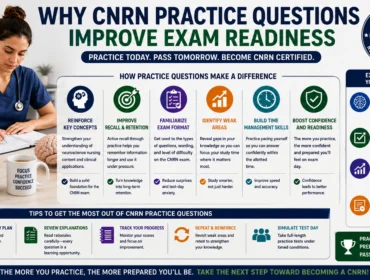
Many experienced transport nurses begin their preparation by reviewing realistic practice questions and identifying knowledge gaps before sitting for the examination. Using comprehensive CTRN practice materials alongside official study resources helps reinforce clinical reasoning while building confidence for exam day.
Quick Highlights
- Nationally recognized specialty certification
- Demphasizes advanced transport nursing knowledge
- Ideal for experienced critical care and emergency nurses
- Demonstrates commitment to patient safety
- Can strengthen career advancement opportunities
- Highly respected by transport programs across the United States
What Is the CTRN Certification?
The Certified Transport Registered Nurse (CTRN) credential is a nationally respected specialty certification designed for registered nurses who provide care during the transport of critically ill or injured patients. Unlike general nursing certifications, the CTRN examination focuses specifically on the unique challenges encountered during patient transport, including mobile critical care, environmental factors, rapid decision-making, and multidisciplinary coordination.
Transport nurses work in highly dynamic settings where patient conditions can change within seconds. They may care for adult trauma victims, pediatric emergencies, neonatal intensive care patients, cardiac cases, stroke patients, or individuals requiring advanced respiratory support while traveling between healthcare facilities.
The CTRN credential demonstrates that a nurse possesses the advanced clinical knowledge expected for these demanding responsibilities.
Why More Nurses Are Pursuing Transport Nursing Certification
Healthcare organizations increasingly recognize specialty certifications as evidence of professional growth and dedication to high-quality patient care. Although certification is not always mandatory, many employers encourage experienced nurses to earn advanced credentials because they reflect a commitment to continuous learning and evidence-based practice.
Several factors have contributed to the growing popularity of the CTRN certification in recent years:
- Growing demand for specialized transport teams
- Expansion of regional trauma systems
- Increased use of air medical transportation
- Greater emphasis on patient safety and quality improvement
- Recognition of specialty-certified nursing professionals
Did You Know?
Transport nursing combines emergency nursing, critical care, trauma management, flight physiology, and advanced clinical assessment into one highly specialized career path. Few nursing specialties require such a broad combination of knowledge.
Who Should Consider Becoming CTRN Certified?
The certification is intended for registered nurses who regularly care for critically ill patients during transport. However, many nurses preparing to transition into transport roles also study the examination content to strengthen their clinical foundation.
Professionals who often pursue the credential include:
- Flight nurses
- Ground critical care transport nurses
- Emergency department nurses
- Trauma nurses
- ICU nurses
- Neonatal transport nurses
- Pediatric transport specialists
- Mobile intensive care unit nurses
What Makes Transport Nursing Different?
Unlike nurses working inside hospitals, transport nurses deliver care in constantly changing environments. Space limitations, vehicle movement, weather conditions, noise, communication barriers, and limited resources all create additional challenges.
Imagine a critically injured patient being transferred from a rural emergency department to a Level I trauma center. During the flight, the patient’s blood pressure begins to fall, oxygen saturation decreases, and new cardiac rhythm abnormalities appear. The transport nurse must assess the patient, collaborate with the transport team, initiate appropriate interventions, and anticipate complications—all while continuing the journey.
This combination of clinical expertise and rapid decision-making is exactly why specialty certification carries significant professional value.
Key Skills Every Successful Transport Nurse Develops
| Core Competency | Why It Matters During Patient Transport |
|---|---|
| Critical Thinking | Supports rapid assessment and treatment decisions during emergencies. |
| Advanced Airway Management | Helps maintain oxygenation in unstable patients. |
| Hemodynamic Monitoring | Allows early recognition of patient deterioration. |
| Trauma Assessment | Improves outcomes during interfacility transfers. |
| Communication | Ensures seamless coordination between healthcare teams. |
| Leadership | Supports confident decision-making under pressure. |
Why the CTRN Credential Matters Across the United States
American healthcare systems continue investing in specialized transport programs that connect community hospitals with trauma centers, stroke centers, children’s hospitals, burn centers, and tertiary medical facilities. These transport networks depend on highly trained nurses capable of delivering advanced care throughout every stage of patient transfer.
Certification provides employers with additional confidence that a nurse has mastered nationally recognized knowledge standards related to transport medicine. While experience remains invaluable, combining experience with specialty certification can strengthen professional credibility when applying for competitive transport positions.
Many hospital systems also promote specialty certification as part of professional development initiatives because certified nurses contribute to quality improvement, lifelong learning, and evidence-based patient care.
How to Become CTRN Certified: A Step-by-Step Roadmap
Achieving the Certified Transport Registered Nurse (CTRN) credential is more than passing an examination—it represents years of clinical experience, continuous learning, and a commitment to delivering exceptional patient care during transport. Although every nurse follows a slightly different path, most successful candidates build their knowledge gradually through hands-on practice and focused study.
The following roadmap provides a practical overview of how many transport nurses prepare for certification.
6Take the certification examDemonstrates mastery of transport nursing knowledge.
| Step | What to Do | Why It Matters |
|---|---|---|
| 1 | Earn an RN license | Required to practice as a registered nurse. |
| 2 | Gain critical care or emergency experience | Develops advanced assessment and intervention skills. |
| 3 | Work in a transport environment | Provides exposure to real transport scenarios. |
| 4 | Create a structured study plan | Ensures every exam domain receives adequate attention. |
| 5 | Practice with realistic exam questions | Improves clinical reasoning and test-taking confidence. |
Understanding the CTRN Exam Blueprint
One of the biggest mistakes candidates make is studying random topics without understanding how the examination is structured. A successful preparation strategy focuses on mastering concepts rather than memorizing isolated facts.
The examination evaluates knowledge that experienced transport nurses use every day while caring for critically ill patients in mobile healthcare environments.
Although exam objectives may evolve over time, candidates should expect questions that require clinical judgment, prioritization, patient assessment, and evidence-based decision-making rather than simple recall.
Core Knowledge Areas Every Candidate Should Master
Successful candidates typically develop a balanced understanding of multiple clinical disciplines because transport nursing involves caring for patients across different age groups and medical conditions.
Patient Assessment and Clinical Decision-Making
Transport nurses often have only minutes to identify subtle changes in patient status. Strong assessment skills help prioritize interventions before complications become life-threatening.
- Primary and secondary assessment
- Recognition of patient deterioration
- Vital sign interpretation
- Neurological assessment
- Cardiovascular evaluation
Airway and Respiratory Management
Airway emergencies remain one of the most critical responsibilities during transport. Candidates should understand oxygen therapy, ventilator management, airway assessment, respiratory physiology, and emergency interventions.
Cardiovascular Emergencies
Many transport patients experience unstable cardiac conditions that require continuous monitoring. Understanding dysrhythmias, shock states, pharmacology, and hemodynamic changes is essential.
Trauma Care
Trauma patients often require rapid stabilization while being transferred to specialized trauma centers. Knowledge of hemorrhage control, spinal precautions, multisystem injuries, and trauma priorities is particularly valuable.
Neonatal and Pediatric Transport
Children are not simply small adults. Pediatric and neonatal patients require specialized assessment techniques, medication calculations, and transport considerations that differ significantly from adult care.
Safety and Transport Operations
Transport nursing extends beyond clinical care. Candidates should understand crew resource management, patient safety, communication protocols, environmental hazards, and operational considerations encountered during ground and air transport.
A Real-World Example of Clinical Reasoning
Consider a patient with severe sepsis being transferred from a community hospital to a tertiary care center. During transport, the patient’s blood pressure begins falling despite ongoing fluid resuscitation. Heart rate increases, oxygen saturation declines, and urine output remains minimal.
Rather than focusing on a single abnormal vital sign, an experienced transport nurse recognizes the overall clinical picture. The nurse reassesses airway and circulation, evaluates perfusion, communicates findings to the receiving team, prepares emergency medications, and anticipates additional interventions if the patient’s condition continues to deteriorate.
This type of integrated thinking is far more important than memorizing isolated facts and reflects the decision-making expected of certified transport nurses.
Career Opportunities After Earning CTRN Certification
Certification can strengthen your professional profile when pursuing advanced transport nursing positions. While employment requirements vary between organizations, many employers appreciate candidates who demonstrate ongoing professional development through specialty credentials.
| Career Path | Typical Responsibilities |
|---|---|
| Flight Nurse | Provide emergency care during helicopter or fixed-wing transports. |
| Critical Care Transport Nurse | Manage critically ill patients during interfacility transfers. |
| Mobile ICU Nurse | Deliver intensive care services in specialized transport vehicles. |
| Neonatal Transport Nurse | Care for high-risk newborns requiring advanced transport. |
| Pediatric Transport Nurse | Transport infants and children needing specialized care. |
| Transport Team Educator | Support staff training and clinical education initiatives. |
Why Employers Value Specialty-Certified Nurses
Healthcare organizations continuously seek professionals who demonstrate advanced knowledge, accountability, and dedication to improving patient outcomes. Specialty certification reflects a willingness to invest in lifelong learning while maintaining high clinical standards.
Certified nurses may also contribute to mentorship programs, quality improvement initiatives, continuing education, and leadership opportunities within transport services.
- Demonstrates commitment to clinical excellence
- Highlights advanced specialty knowledge
- Strengthens professional credibility
- Supports lifelong learning
- Can enhance competitiveness for specialized transport positions
Common Mistakes That Can Delay Success
Many capable nurses underestimate the breadth of knowledge required for the CTRN examination. Avoiding common preparation mistakes can significantly improve both confidence and performance.
- Studying only familiar topics while ignoring weaker areas.
- Memorizing facts instead of understanding clinical reasoning.
- Waiting until the final weeks to begin reviewing.
- Skipping practice questions and self-assessments.
- Ignoring transport-specific safety principles.
- Not reviewing pediatric and neonatal concepts.
- Studying without a realistic schedule.
Creating a balanced study routine that combines reading, case-based learning, and regular practice questions is often more effective than relying on a single study resource. Consistency over several weeks usually produces stronger long-term retention than trying to cover every topic in a few days.
Effective Study Strategies for the CTRN Certification Exam
Preparing for the CTRN certification exam requires more than reading textbooks or reviewing notes from previous nursing courses. Because the examination emphasizes clinical judgment and transport-specific decision-making, your study plan should mirror the situations encountered during real patient transports.
A structured approach helps you retain information more effectively while reducing exam-day stress. Instead of trying to study every topic at once, divide your preparation into manageable weekly goals and regularly assess your progress.
Create a Realistic Study Schedule
Consistency is one of the biggest predictors of success. Even 45 to 60 minutes of focused study several days each week can produce better long-term retention than occasional marathon study sessions.
- Set weekly learning objectives.
- Review one major clinical topic at a time.
- Take practice quizzes regularly.
- Review incorrect answers carefully.
- Revisit weaker topics every week.
- Schedule time for comprehensive review before the exam.
Focus on Clinical Reasoning Instead of Memorization
Transport nurses rarely encounter straightforward situations. Patients often have multiple conditions requiring simultaneous assessment and intervention. As you study, challenge yourself to understand why a particular intervention is appropriate rather than simply memorizing treatment steps.
Case-based learning, scenario analysis, and realistic practice questions help strengthen the critical thinking skills needed for certification and everyday transport nursing.
Recommended Focus Areas During Exam Preparation
| Priority Topic | Why It Deserves Extra Attention |
|---|---|
| Advanced Patient Assessment | Forms the foundation of transport decision-making. |
| Respiratory Emergencies | Common among critically ill transport patients. |
| Cardiovascular Care | Frequently tested through scenario-based questions. |
| Shock Recognition | Requires rapid assessment and intervention. |
| Trauma Management | Essential for emergency transport situations. |
| Medication Safety | Important for patient stabilization during transport. |
| Pediatric & Neonatal Care | Specialized knowledge remains an important exam component. |
| Transport Safety | Unique concepts distinguish transport nursing from hospital practice. |
Why the CTRN Certification Matters in the United States
The United States has an extensive network of trauma centers, children’s hospitals, cardiac centers, stroke centers, and rural healthcare facilities that depend on efficient patient transport systems. Every day, critically ill patients are transferred between healthcare facilities to receive specialized treatment that may not be available locally.
Transport nurses serve as a vital link in this healthcare system. Their expertise helps ensure that patients receive continuous, high-quality care throughout the transfer process, whether traveling by ambulance, helicopter, or fixed-wing aircraft.
As healthcare continues to evolve, hospitals and transport organizations increasingly value professionals who demonstrate specialized knowledge through nationally recognized credentials. While certification alone does not replace experience, it reflects dedication to maintaining high clinical standards and continuing professional development.
How Certification Supports Long-Term Career Growth
Many nurses pursue certification not only to validate their knowledge but also to invest in their long-term careers. Specialty credentials often encourage continuous learning, expand professional networks, and increase confidence when caring for complex patients.
Certified nurses may also find opportunities to participate in leadership roles, staff education, quality improvement projects, clinical mentoring, or specialized transport programs. These experiences contribute to professional growth while supporting safer patient care across healthcare systems.
Why Choose PrepPool for CTRN Exam Preparation?
Choosing the right study resources can make your preparation more organized and efficient. PrepPool is designed to help future transport nurses strengthen their understanding of exam topics through realistic practice questions and detailed answer explanations.
Rather than relying solely on passive reading, candidates can reinforce key concepts by working through scenario-based questions that encourage critical thinking and clinical application.
Why Learners Choose PrepPool
- Extensive collection of realistic CTRN-style practice questions.
- Detailed explanations that reinforce clinical concepts.
- Covers major transport nursing knowledge areas.
- Supports independent, self-paced learning.
- Ideal for identifying strengths and knowledge gaps before exam day.
If you’re ready to strengthen your preparation, explore the comprehensive CTRN practice exam resources available at PrepPool and build greater confidence before taking the certification exam.
Final Thoughts
The CTRN certification represents far more than another credential after your name. It reflects advanced clinical knowledge, dedication to patient safety, and a commitment to excellence in one of nursing’s most demanding specialties.
Whether your goal is to join a flight team, expand your expertise in critical care transport, or demonstrate professional growth to current and future employers, thoughtful preparation is the key to success. By combining practical experience with consistent study, evidence-based learning, and high-quality practice questions, you can approach the certification exam with confidence and continue building a rewarding career in transport nursing.
Frequently Asked Questions
What does CTRN stand for?
CTRN stands for Certified Transport Registered Nurse. It is a specialty credential for registered nurses who provide care to critically ill or injured patients during ground or air medical transport.
Is the CTRN certification difficult?
The exam is considered challenging because it evaluates advanced clinical judgment, transport-specific knowledge, and decision-making across a wide range of emergency and critical care scenarios. Consistent preparation significantly improves readiness.
Who should take the CTRN exam?
The certification is intended for registered nurses involved in critical care transport, flight nursing, emergency nursing, trauma care, neonatal transport, or pediatric transport who want to validate their specialty knowledge.
How long should I study for the CTRN exam?
Study time varies depending on your experience and familiarity with transport nursing concepts. Many candidates prepare over several weeks or months using structured study plans, reference materials, and realistic practice questions.
Can practice questions improve CTRN exam preparation?
Yes. High-quality practice questions help reinforce clinical reasoning, identify weaker knowledge areas, improve confidence, and familiarize candidates with the style of questions commonly encountered during certification preparation.