
The nursing profession continues to evolve as healthcare systems care for increasingly complex patient populations. Progressive care nurses are expected to make critical clinical decisions, monitor high-acuity patients, and respond quickly to changing conditions. As these responsibilities grow, many nurses are choosing to pursue specialty certifications that validate their expertise and demonstrate a commitment to professional excellence.
One of the most respected credentials available to progressive care nurses is the Progressive Care Certified Nurse (PCCN) certification. This certification recognizes nurses who possess advanced knowledge and clinical judgment related to the care of acutely ill adult patients.
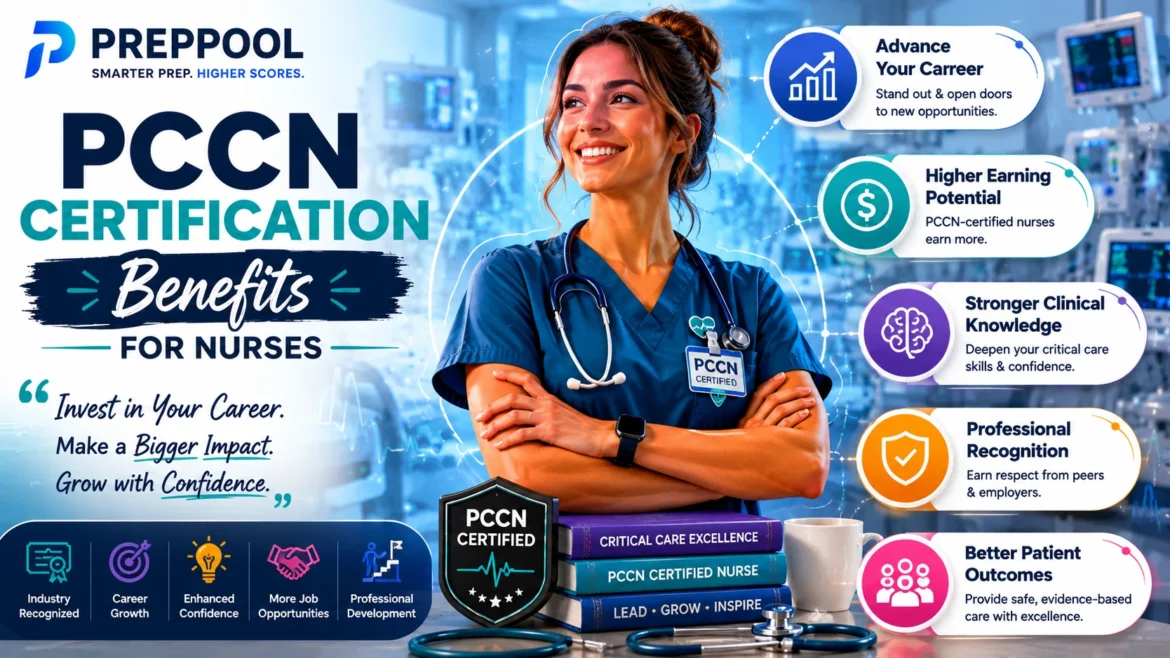
For some nurses, certification is a pathway to career growth. For others, it is an opportunity to strengthen confidence, improve clinical knowledge, and enhance professional credibility. Regardless of motivation, PCCN certification offers a variety of benefits that extend beyond simply adding credentials after a name.
Understanding these benefits can help nurses determine whether pursuing certification aligns with their professional goals and long-term career plans.
- Demonstrates specialized nursing expertise.
- Enhances professional credibility.
- Supports career advancement opportunities.
- Strengthens clinical confidence.
- Reflects commitment to patient care excellence.
What Is PCCN Certification?
The Progressive Care Certified Nurse (PCCN) credential is designed for registered nurses who care for acutely ill adult patients in progressive care settings. These patients often require advanced monitoring, complex interventions, and ongoing clinical assessment.
PCCN certification validates knowledge and clinical judgment across a wide range of patient care situations. Nurses who earn this credential demonstrate competence in caring for patients experiencing cardiovascular, respiratory, neurological, endocrine, renal, and multisystem conditions.
The certification is recognized throughout the nursing profession as evidence of specialized expertise and dedication to maintaining high standards of clinical practice.
Why Specialty Certification Matters in Modern Nursing
Healthcare organizations increasingly value nurses who pursue professional development beyond initial licensure requirements. Specialty certification demonstrates a commitment to lifelong learning and continuous improvement.
Certification also helps differentiate nurses in a competitive healthcare environment. As hospitals and healthcare systems emphasize quality outcomes, evidence-based practice, and patient safety, specialty credentials often serve as indicators of advanced professional competence.
For many nurses, certification becomes a meaningful way to demonstrate expertise while reinforcing confidence in their ability to manage complex patient situations.
This commitment to excellence benefits both healthcare professionals and the patients they serve.
Professional Recognition and Credibility
One of the most immediate benefits of PCCN certification is increased professional recognition. Certification communicates to colleagues, employers, physicians, and healthcare leaders that a nurse has invested time and effort into developing specialized clinical knowledge.
The credential represents more than exam success. It reflects dedication to professional growth and mastery of concepts that are directly relevant to progressive care nursing practice.
Many certified nurses report feeling greater confidence when participating in interdisciplinary discussions, advocating for patients, and contributing to complex clinical decision-making.
This professional recognition often extends beyond the workplace and can strengthen a nurse’s reputation within the broader healthcare community.
Increased Confidence in Clinical Decision-Making
Confidence plays an important role in nursing practice. Progressive care nurses frequently care for patients whose conditions can change rapidly, requiring timely assessment and intervention.
PCCN preparation encourages nurses to strengthen their understanding of pathophysiology, patient assessment, clinical priorities, and evidence-based interventions. As knowledge expands, many nurses develop greater confidence in their ability to recognize complications and respond appropriately.
This confidence can positively influence patient care by supporting quicker recognition of concerning trends and more effective communication with healthcare teams.
Many nurses discover that the preparation process itself becomes one of the most valuable aspects of certification.
Demonstrating Commitment to Professional Excellence
Earning specialty certification requires dedication, discipline, and a willingness to invest in professional growth. Because of this, certification often serves as a visible demonstration of commitment to nursing excellence.
Employers frequently appreciate nurses who pursue professional development because it reflects initiative and motivation. Certification shows that a nurse is willing to go beyond minimum requirements to strengthen knowledge and clinical skills.
This commitment may contribute to stronger professional relationships, increased trust among colleagues, and greater respect within healthcare organizations.
For many nurses, certification represents an important personal achievement that reflects years of clinical experience and continued learning.
Potential Career Advancement Opportunities
While certification does not automatically guarantee promotions or new positions, it can strengthen a nurse’s professional profile when advancement opportunities arise.
Healthcare organizations often consider certifications when evaluating candidates for leadership, educational, quality improvement, or specialty clinical roles.
Certified nurses may be viewed as individuals who have demonstrated advanced knowledge and a commitment to professional development.
As a result, PCCN certification can become a valuable component of a long-term career advancement strategy.
| Career Area | Potential Value of PCCN Certification |
|---|---|
| Clinical Leadership | Demonstrates advanced patient-care expertise. |
| Charge Nurse Roles | Supports professional credibility. |
| Nurse Education | Reflects specialized clinical knowledge. |
| Quality Improvement | Highlights commitment to best practices. |
| Professional Development | Strengthens overall nursing profile. |
How PCCN Certification Supports Better Patient Outcomes
Although certification offers many professional advantages, its most important purpose is supporting high-quality patient care.
PCCN-certified nurses often possess stronger knowledge of patient assessment, disease processes, clinical interventions, and evidence-based practice. These skills can contribute to earlier recognition of complications, more effective care planning, and improved communication among healthcare teams.
Healthcare organizations increasingly recognize the value of specialty-certified nurses because certification aligns with broader goals related to patient safety, quality improvement, and clinical excellence.
By strengthening professional competence, certification can have a meaningful impact on patient experiences and outcomes.
Personal Satisfaction and Professional Achievement
Many nurses pursue PCCN certification for reasons that go beyond career advancement. Earning a respected specialty credential often creates a strong sense of personal accomplishment.
Preparing for the exam requires commitment and perseverance. Successfully achieving certification validates years of experience while demonstrating a willingness to continue growing professionally.
For some nurses, certification becomes a milestone that marks an important stage in their careers. It reflects not only what they have learned but also their dedication to providing exceptional patient care.
This sense of achievement remains one of the most frequently cited benefits among certified nurses.
The Role of Exam Preparation in Professional Growth
The benefits of PCCN certification often begin long before the exam is passed. The preparation process itself encourages nurses to revisit important clinical concepts, strengthen critical thinking skills, and deepen their understanding of progressive care nursing.
Many candidates discover knowledge gaps they were previously unaware of and gain a greater appreciation for the complexity of patient care. This process often improves confidence and competence regardless of the final exam outcome.
Successful preparation typically includes a combination of content review, clinical reasoning practice, and realistic exam-style questions. Many nurses strengthen readiness by regularly working through a comprehensive PCCN practice exam resource focused on real-world clinical scenarios that reinforces both knowledge and decision-making skills.
How PCCN Certification Can Strengthen Long-Term Career Growth
Nursing is a profession built on continuous learning. As healthcare evolves, nurses who actively pursue professional development often position themselves for greater opportunities throughout their careers.
PCCN certification can become an important part of a long-term career strategy because it demonstrates initiative, specialized knowledge, and commitment to professional excellence. These qualities are often valued by healthcare organizations when evaluating candidates for expanded responsibilities.
Whether a nurse hopes to move into leadership, education, quality improvement, or advanced clinical practice, certification can help strengthen a professional portfolio and highlight dedication to ongoing development.
For many nurses, certification serves as evidence that they are willing to invest in their profession and maintain high standards of practice.
Building Trust with Colleagues and Healthcare Teams
Progressive care environments rely heavily on teamwork. Nurses collaborate with physicians, respiratory therapists, pharmacists, case managers, and numerous other healthcare professionals to coordinate patient care.
Specialty certification can enhance professional credibility within these interdisciplinary teams. While credentials alone do not determine competence, certification often signals a commitment to clinical excellence and evidence-based practice.
Certified nurses may feel more confident contributing to discussions regarding patient management, treatment plans, and clinical priorities because they have invested significant effort into strengthening their knowledge base.
This confidence can improve communication and support more effective collaboration across healthcare teams.
- Greater professional confidence.
- Enhanced credibility among peers.
- Recognition of specialized knowledge.
- Improved leadership readiness.
- Commitment to lifelong learning.
Why Employers Value Certified Nurses
Healthcare organizations often seek ways to improve quality outcomes, patient satisfaction, and clinical performance. Specialty certification supports these goals by encouraging nurses to maintain advanced knowledge and evidence-based practices.
Employers frequently recognize that certified nurses have demonstrated initiative beyond minimum licensure requirements. This commitment to professional growth can contribute positively to workplace culture and patient care standards.
Many healthcare facilities actively encourage specialty certification because it aligns with broader organizational objectives related to excellence, safety, and continuous improvement.
As a result, certification can become a valuable differentiator in competitive healthcare environments.
The Connection Between PCCN Certification and Leadership Development
Leadership in nursing is not limited to formal management positions. Nurses demonstrate leadership every day through patient advocacy, mentoring, communication, and clinical decision-making.
PCCN certification often supports leadership development by strengthening knowledge and confidence. Nurses who possess a deeper understanding of patient care concepts may feel more comfortable guiding colleagues, participating in committees, or contributing to quality initiatives.
Many future nurse leaders begin by pursuing professional certifications that help establish credibility and reinforce expertise.
Over time, these experiences can create opportunities for greater responsibility and professional influence.
Improving Clinical Knowledge Beyond Daily Practice
Even highly experienced nurses encounter situations where certain conditions, treatments, or complications appear infrequently in their day-to-day work. Certification preparation helps broaden knowledge by exposing candidates to a wide range of progressive care topics.
This comprehensive review often strengthens understanding of patient populations that may not be encountered regularly in a particular clinical setting.
As a result, certification preparation encourages nurses to think beyond routine experiences and develop a broader perspective on patient management.
This expanded knowledge base can enhance clinical confidence and improve readiness for complex patient scenarios.
How Certification Encourages Evidence-Based Practice
Evidence-based practice plays a central role in modern healthcare. Nurses are expected to make decisions based on current knowledge, clinical expertise, and the best available evidence.
The PCCN certification process reinforces this mindset by encouraging candidates to review updated concepts, standards, and clinical principles.
Through preparation and ongoing professional development, certified nurses often become more comfortable evaluating information critically and applying evidence-based approaches to patient care.
This commitment to learning helps support safer, more effective clinical practice.
The Financial Perspective: Is PCCN Certification Worth It?
Many nurses naturally wonder whether certification is worth the investment of time, effort, and exam fees. The answer varies depending on individual goals, workplace policies, and career aspirations.
While certification should not be viewed solely through a financial lens, many nurses believe the professional benefits justify the investment. Increased confidence, expanded knowledge, improved credibility, and potential career opportunities often provide value that extends far beyond exam costs.
Some healthcare organizations may also recognize certification through professional development programs, clinical ladder systems, or other incentives.
Regardless of financial considerations, many certified nurses view the credential as an investment in long-term professional growth.
| Potential Benefit Area | Long-Term Value |
|---|---|
| Professional Development | Continued growth and learning. |
| Clinical Knowledge | Stronger patient-care expertise. |
| Career Opportunities | Enhanced professional profile. |
| Leadership Readiness | Improved confidence and credibility. |
| Personal Achievement | Sense of accomplishment and pride. |
Preparing for PCCN Certification Successfully
Although the benefits of certification are substantial, success begins with effective preparation. Candidates who understand the exam structure, content areas, and study expectations often feel more confident throughout the process.
Nurses who are just beginning their certification journey may benefit from reviewing this complete PCCN certification preparation guide, which provides a broad overview of exam topics, study strategies, and preparation recommendations.
Having a clear understanding of what to expect can make the certification process feel more manageable and less intimidating.
Why a Structured Study Plan Improves Success Rates
One of the most effective ways to prepare for certification is through a structured study plan. Without a plan, many candidates struggle to balance content review, practice questions, and work responsibilities.
A well-organized approach allows nurses to focus on high-yield topics while maintaining steady progress over time. Structured preparation also reduces stress by breaking large goals into manageable tasks.
Candidates seeking practical scheduling strategies often find value in following a realistic PCCN study schedule designed for working nurses that accommodates demanding professional responsibilities.
Consistency and organization often play a larger role in exam success than the total number of study hours completed.
The Impact of Certification on Professional Confidence
Confidence is one of the most frequently reported benefits among PCCN-certified nurses. This confidence does not come solely from passing an exam. It develops through the preparation process, knowledge acquisition, and increased familiarity with complex patient-care concepts.
Many nurses report feeling more comfortable recognizing patient deterioration, prioritizing interventions, and communicating clinical concerns after certification preparation.
These improvements can positively influence both professional satisfaction and patient care outcomes.
As knowledge grows, confidence often follows naturally.
PCCN certification is not simply a credential. It is a professional development journey that strengthens knowledge, clinical judgment, confidence, and commitment to high-quality patient care.
How PCCN Certification Can Differentiate You in a Competitive Job Market
The healthcare industry continues to evolve, and many organizations seek nurses who demonstrate initiative, advanced knowledge, and a commitment to professional development. While experience remains extremely important, specialty certification can help distinguish candidates when multiple nurses possess similar clinical backgrounds.
PCCN certification communicates that a nurse has invested additional time and effort into mastering concepts relevant to progressive care practice. This distinction can strengthen professional visibility and reinforce a reputation for clinical excellence.
In highly competitive healthcare environments, even small advantages can contribute to long-term career growth and professional recognition.
Supporting Career Mobility and Professional Flexibility
Many nurses discover that career goals evolve over time. Some remain in bedside care, while others pursue leadership, education, quality improvement, care coordination, or advanced clinical roles.
PCCN certification supports professional flexibility because it demonstrates transferable knowledge and commitment to continuous learning. As nurses explore new opportunities, certification can serve as evidence of professional engagement and dedication to specialty practice.
Even when a nurse remains in the same clinical setting, certification often expands opportunities to participate in projects, committees, mentoring programs, and leadership initiatives.
The credential becomes another valuable component of a well-rounded professional profile.
Why Patients Benefit from Certified Nurses
While certification provides numerous advantages for healthcare professionals, the ultimate purpose remains improving patient care.
PCCN-certified nurses often strengthen their understanding of assessment techniques, disease processes, clinical interventions, and evidence-based practice. These improvements support better recognition of patient deterioration, more effective communication, and stronger clinical decision-making.
Patients in progressive care settings frequently experience complex health conditions that require careful monitoring and timely intervention. Certification preparation reinforces the knowledge and critical thinking skills necessary to meet these challenges.
For many nurses, knowing that certification can positively influence patient outcomes is one of the most meaningful benefits of the entire process.
- Strengthens assessment skills.
- Reinforces evidence-based decision-making.
- Improves recognition of clinical changes.
- Enhances interdisciplinary communication.
- Promotes continuous professional learning.
The Long-Term Value of Professional Development
One of the greatest benefits of certification is that it encourages lifelong learning. Healthcare knowledge evolves continuously, and nurses who remain committed to professional development are often better prepared to adapt to changing standards and emerging best practices.
PCCN certification reflects a mindset focused on growth, curiosity, and excellence. Rather than viewing education as something that ends after nursing school, certified nurses continue expanding their knowledge throughout their careers.
This commitment benefits both individual professionals and the healthcare organizations they serve.
Over time, continuous learning often becomes one of the most valuable investments a nurse can make.
How Certification Contributes to Personal Achievement
Professional credentials often represent more than career advancement. For many nurses, certification becomes a personal milestone that reflects years of dedication, hard work, and clinical experience.
Preparing for and passing a specialty certification exam requires discipline, persistence, and commitment. Successfully earning the credential can create a strong sense of accomplishment that extends beyond professional recognition.
Many certified nurses describe the achievement as validation of the expertise they have developed throughout their careers.
This personal satisfaction often remains meaningful long after the exam has been completed.
Balancing Certification Goals with Everyday Responsibilities
Many nurses delay certification because they worry about finding enough time to prepare. Work schedules, family responsibilities, and personal commitments can make professional development feel difficult to prioritize.
However, thousands of nurses successfully earn specialty certifications while managing demanding lives. The key is developing realistic expectations and following a structured preparation plan.
Certification does not require perfection. It requires consistency, organization, and a willingness to make steady progress over time.
Even small study sessions completed regularly can lead to significant long-term results.
What Nurses Often Say After Becoming PCCN Certified
Many certified nurses report benefits that extend beyond what they initially expected. While they may begin the process seeking career advancement or professional recognition, they often discover additional rewards along the way.
Commonly reported outcomes include:
- Greater confidence in patient care.
- Improved clinical reasoning skills.
- Increased professional credibility.
- Enhanced communication with healthcare teams.
- Stronger commitment to evidence-based practice.
- Greater personal satisfaction and pride.
These experiences highlight the broad impact certification can have on both professional performance and personal development.
Is PCCN Certification Worth It?
Whether certification is worthwhile ultimately depends on an individual’s goals, interests, and career aspirations. However, many nurses conclude that the benefits far outweigh the effort required to prepare for the exam.
PCCN certification offers opportunities for growth, recognition, confidence building, and professional development. It also reinforces the knowledge and skills necessary to provide high-quality care to acutely ill patients.
For nurses who are passionate about progressive care practice, certification often becomes a valuable investment in both current performance and future opportunities.
The credential serves as a visible reminder of a nurse’s commitment to excellence and lifelong learning.
How to Maximize the Benefits of PCCN Certification
Earning the credential is only the beginning. Nurses who actively apply what they learned during preparation often gain the greatest long-term value from certification.
Ways to maximize the benefits include:
- Continuing professional education.
- Participating in clinical committees.
- Mentoring newer nurses.
- Sharing evidence-based practices.
- Pursuing leadership opportunities.
- Remaining engaged in specialty nursing development.
Certification creates a foundation that can support ongoing growth throughout an entire nursing career.
Final Thoughts on PCCN Certification Benefits
PCCN certification offers far more than a professional credential. It strengthens clinical knowledge, reinforces critical thinking skills, supports career development, and demonstrates a commitment to providing exceptional patient care.
For many nurses, the certification journey becomes an opportunity to grow professionally while building confidence and expanding expertise. The benefits often continue long after the examination has been completed.
Whether the goal is professional advancement, personal achievement, improved clinical competence, or enhanced credibility, PCCN certification can serve as a valuable step forward in a nurse’s career.
Conclusion
The benefits of PCCN certification extend across nearly every aspect of professional nursing practice. From increased confidence and stronger clinical reasoning to greater credibility and long-term career growth, certification provides value that reaches far beyond the credential itself.
By investing in specialty certification, nurses demonstrate a commitment to excellence, lifelong learning, and high-quality patient care. For many progressive care nurses, PCCN certification becomes one of the most rewarding professional achievements of their careers.
As healthcare continues to evolve, nurses who pursue professional development opportunities such as PCCN certification will remain well-positioned to contribute meaningfully to patient care and healthcare excellence.
Frequently Asked Questions
What are the biggest benefits of PCCN certification?
Common benefits include improved clinical confidence, professional recognition, career development opportunities, stronger clinical knowledge, and enhanced credibility within healthcare teams.
Does PCCN certification help with career advancement?
While certification does not guarantee promotion, it can strengthen a nurse’s professional profile and demonstrate commitment to professional growth and specialty practice.
Can PCCN certification improve patient care?
Certification preparation reinforces assessment skills, evidence-based practice, and clinical decision-making, which can positively influence patient outcomes.
Is PCCN certification worth the effort?
Many nurses believe the professional, educational, and personal benefits make certification a worthwhile investment in long-term career development.
How can I prepare effectively for the PCCN exam?
Successful candidates typically combine content review, structured study plans, and realistic practice questions to strengthen knowledge and clinical reasoning skills.