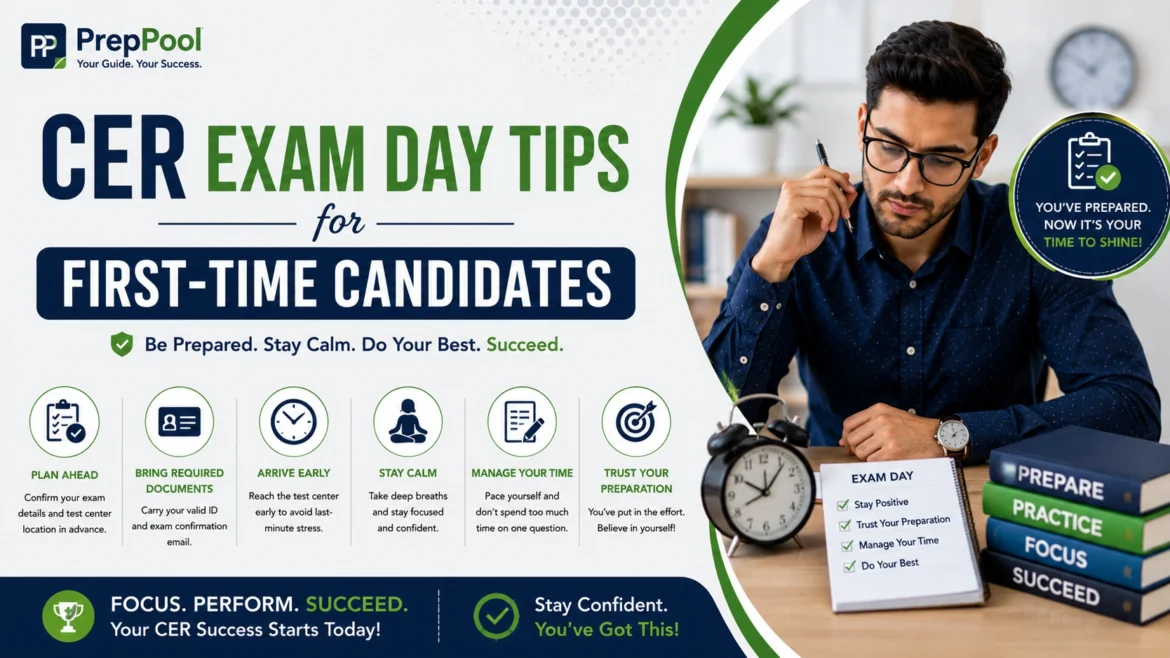

The good news is that strong exam-day preparation can help candidates stay calm, focused, and confident throughout the certification experience.
Candidates who understand what to expect before the exam often manage pressure more effectively and avoid many preventable mistakes during testing.
- How to prepare before exam day
- Ways to reduce certification stress
- How to improve pacing during the exam
- Common mistakes candidates make
- How to stay focused under pressure
- What first-time candidates should expect
Why Exam Day Feels Stressful for Many Candidates
Certification exams often create anxiety because candidates know the results may affect professional goals, workplace opportunities, or career advancement plans. Many first-time candidates also feel uncertain because they have limited experience with professional testing environments.
Common sources of exam stress often include:
- Fear of failing the exam
- Time pressure during testing
- Scenario-based technical questions
- Uncertainty about exam difficulty
- Lack of confidence under pressure
Candidates who prepare consistently and practice under realistic conditions often feel significantly calmer approaching exam day.
Prepare the Night Before the CER Exam
Many candidates make the mistake of cramming large amounts of information the night before the exam. However, excessive last-minute studying often increases stress and mental exhaustion instead of improving performance.
The night before the exam, candidates should focus on:
- Reviewing key concepts calmly
- Preparing testing materials early
- Getting proper sleep
- Avoiding unnecessary distractions
- Maintaining a positive mindset
Candidates who arrive mentally rested often maintain stronger concentration and pacing during the actual exam.
Arrive Early and Stay Organized
Arriving late or feeling rushed before the exam can increase stress significantly. Candidates who organize everything ahead of time often feel much more relaxed entering the testing environment.
Before exam day, candidates should:
- Confirm testing location and schedule
- Prepare identification documents
- Plan transportation early
- Allow extra travel time
- Review testing instructions carefully
Organized preparation helps reduce avoidable stress and allows candidates to focus more fully on the certification exam itself.
Why Confidence Matters During the CER Exam
Many candidates know more technical information than they realize, but stress and anxiety sometimes interfere with concentration during testing.
Confidence usually improves through:
- Consistent practice exams
- Reviewing technical concepts regularly
- Practicing realistic scenarios
- Improving pacing under pressure
- Tracking gradual preparation progress
Calm candidates often manage difficult questions more effectively and avoid many preventable exam mistakes.
How Practice Questions Improve Exam-Day Performance
One of the best ways to feel more comfortable on exam day is through realistic practice questions that simulate actual certification testing conditions.
Structured CER exam prep questions help candidates strengthen technical reasoning, improve pacing, and become more familiar with realistic certification wording before the actual exam.
Practice questions often help candidates:
- Reduce uncertainty during testing
- Improve confidence under pressure
- Recognize question patterns faster
- Strengthen technical interpretation
- Improve overall exam readiness
How to Manage Time During the CER Exam
Time management is one of the most important exam-day skills. Some candidates lose valuable points because they spend too much time on difficult questions early in the exam.
Strong pacing strategies often include:
- Monitoring progress regularly
- Moving forward temporarily when stuck
- Avoiding excessive second-guessing
- Maintaining steady concentration
- Practicing under timed conditions beforehand
Candidates who improve pacing usually feel much more confident and less overwhelmed during certification testing.
| Stress-Creating Habit | Better Exam-Day Strategy |
|---|---|
| Last-minute cramming | Reviewing calmly and resting properly |
| Panicking during difficult questions | Maintaining steady pacing |
| Arriving rushed or late | Preparing early and staying organized |
| Ignoring timed practice | Simulating realistic testing conditions |
How to Stay Calm During Difficult CER Questions
Almost every certification candidate encounters difficult questions during the exam. Some candidates panic immediately when they see unfamiliar wording or complex scenarios, which often leads to rushed decisions and avoidable mistakes.
Candidates usually perform better when they:
- Read each question carefully
- Focus on key technical details
- Eliminate obviously incorrect answers first
- Maintain steady pacing
- Stay calm under pressure
Candidates who remain composed often make stronger decisions during scenario-based certification questions.
Why Pacing Is Critical During the CER Exam
Many candidates struggle not because they lack technical knowledge, but because they mismanage time during the exam. Spending too much time on early questions can create unnecessary stress later.
Strong pacing habits often help candidates:
- Maintain concentration longer
- Complete all questions more comfortably
- Reduce panic near the end of the exam
- Improve decision-making consistency
- Stay mentally organized
Candidates who practice under timed conditions regularly usually feel more comfortable maintaining pacing during the actual exam.
How Practice Exams Improve CER Exam-Day Confidence
Practice exams are one of the most effective ways to reduce exam-day anxiety because they help candidates become familiar with realistic testing environments before the actual certification experience.
Practice exams often help candidates:
- Improve pacing under pressure
- Strengthen technical interpretation skills
- Reduce uncertainty during testing
- Improve concentration
- Build confidence gradually
Familiarity with realistic exam conditions often makes certification testing feel much less intimidating for first-time candidates.
Why First-Time Candidates Often Feel Overwhelmed
Many first-time certification candidates feel overwhelmed simply because they are unfamiliar with professional testing environments. This feeling is extremely common, especially for professionals who have not taken structured exams recently.
Candidates often feel overwhelmed because of:
- Fear of failure
- Pressure to pass on the first attempt
- Scenario-based technical questions
- Time pressure
- Uncertainty about exam expectations
Confidence usually improves significantly once candidates gain familiarity with certification-style questions and pacing expectations through realistic practice.
| Less Effective Response | Better Exam-Day Response |
|---|---|
| Panicking during difficult sections | Maintaining calm pacing |
| Overthinking every question | Making steady logical decisions |
| Rushing through later questions | Managing time consistently |
| Ignoring practice conditions | Using realistic exam simulations |
How to Maintain Focus Throughout the CER Exam
Certification exams often require candidates to maintain concentration for extended periods of time. Mental fatigue can reduce accuracy and increase careless mistakes if candidates lose focus during difficult sections.
Candidates often maintain focus better when they:
- Read questions carefully
- Maintain steady pacing
- Avoid rushing unnecessarily
- Stay mentally organized
- Practice realistic mock exams beforehand
Candidates who improve concentration during preparation usually perform more confidently under actual exam conditions.
Why Practical Understanding Matters on Exam Day
Many CER exam questions evaluate practical reasoning rather than memorization alone. Candidates who understand how technical concepts apply within realistic workplace situations often perform much more confidently during scenario-based questions.
Practical understanding helps candidates:
- Interpret operational situations logically
- Recognize compliance concerns
- Apply procedures correctly
- Strengthen professional judgment
- Improve technical decision-making
Strong practical reasoning also remains valuable within professional environments long after certification is completed.
How Preparation Reduces CER Exam-Day Anxiety
Many first-time certification candidates feel anxious before the exam because they are unsure how difficult the questions will feel under real testing conditions. However, preparation often reduces anxiety significantly by increasing familiarity and confidence.
Candidates reviewing this detailed breakdown of CER exam difficulty factors often gain a more realistic understanding of what makes the certification challenging and how proper preparation reduces unnecessary stress.
Candidates who prepare consistently usually:
- Feel calmer approaching the exam
- Improve pacing under pressure
- Recognize question patterns faster
- Reduce avoidable mistakes
- Build stronger professional confidence
Why Realistic Practice Builds Stronger Exam Confidence
Candidates who regularly complete realistic practice sessions often feel much more comfortable during the actual certification exam because they already understand pacing expectations and scenario-based question formats.
Professionals using these high-impact CER exam practice methods often improve technical reasoning, timing skills, and exam confidence before test day arrives.
Realistic practice often helps candidates:
- Improve concentration under pressure
- Strengthen technical interpretation skills
- Reduce uncertainty during testing
- Improve decision-making speed
- Develop stronger pacing habits
How First-Time Candidates Can Avoid Common Exam Mistakes
Many avoidable exam-day problems happen because candidates panic, rush difficult sections, or mismanage time during the certification exam.
Candidates reviewing these frequently overlooked CER exam mistakes often improve awareness of preparation weaknesses and avoid unnecessary testing errors.
Common exam-day mistakes often include:
- Rushing through questions
- Overthinking difficult scenarios
- Ignoring pacing
- Changing answers repeatedly
- Allowing stress to affect concentration
Candidates who remain calm and organized usually make stronger technical decisions throughout the exam.
| Weak Exam-Day Habit | Stronger Exam-Day Strategy |
|---|---|
| Last-minute panic studying | Reviewing calmly and resting properly |
| Ignoring realistic practice | Using timed exam simulations |
| Overthinking every answer | Trusting preparation and pacing |
| Studying without structure | Following organized preparation plans |
Why Organized Preparation Improves Exam-Day Performance
Candidates who follow structured preparation plans often feel more organized and confident during the actual exam because they already understand the exam format and preparation expectations clearly.
Professionals exploring this complete CER certification success guide often improve study organization and build stronger long-term preparation habits before exam day.
Organized preparation often helps candidates:
- Reduce mental stress
- Improve study consistency
- Strengthen weaker knowledge areas
- Track preparation progress clearly
- Build confidence steadily over time
How Busy Professionals Can Stay Mentally Prepared
Many CER candidates are balancing demanding work schedules alongside certification preparation. Mental fatigue and burnout can become major challenges if preparation routines are unrealistic.
Professionals using these practical CER study routines for busy schedules often maintain stronger consistency while reducing unnecessary stress during preparation.
Balanced preparation often includes:
- Short focused study sessions
- Consistent weekly practice
- Regular mental breaks
- Realistic study goals
- Structured review habits
How Strong Preparation Improves Passing Chances
Candidates who practice consistently, improve pacing, and strengthen practical understanding often feel significantly more prepared approaching exam day.
Professionals studying these effective CER certification passing strategies often improve confidence, technical reasoning, and long-term exam readiness before testing.
Strong preparation usually includes:
- Realistic practice exams
- Scenario-based reasoning exercises
- Timed mock testing
- Reviewing incorrect answers carefully
- Maintaining consistent preparation schedules
Final Thoughts on CER Exam Day Tips
Exam day can feel stressful for first-time candidates, but organized preparation, realistic practice, and strong pacing strategies often improve confidence significantly.
Candidates who remain calm, focused, and disciplined during the certification process usually perform much more confidently under pressure.
Successful certification performance is rarely about perfection. It is usually built through consistent preparation, realistic practice, practical understanding, and steady professional confidence developed over time.
Frequently Asked Questions
How can candidates reduce stress before the CER exam?
Consistent preparation, realistic practice exams, proper rest, and organized planning often help reduce exam-day anxiety significantly.
Why is time management important during the CER exam?
Strong pacing helps candidates maintain concentration, avoid rushing, and complete all questions more comfortably under pressure.
What should candidates avoid the night before the CER exam?
Candidates should avoid exhausting last-minute cramming sessions that increase stress and mental fatigue before test day.
Why are practice exams important for first-time candidates?
Practice exams improve familiarity with pacing, technical wording, and realistic certification testing conditions.
How do candidates improve confidence before the CER exam?
Confidence usually improves through realistic practice questions, steady preparation habits, and repeated exposure to exam-style scenarios.